
.jpeg)
What are the differences in efficacy and uses between Valganciclovir and ganciclovir?
1. Overview and Classification of Drugs
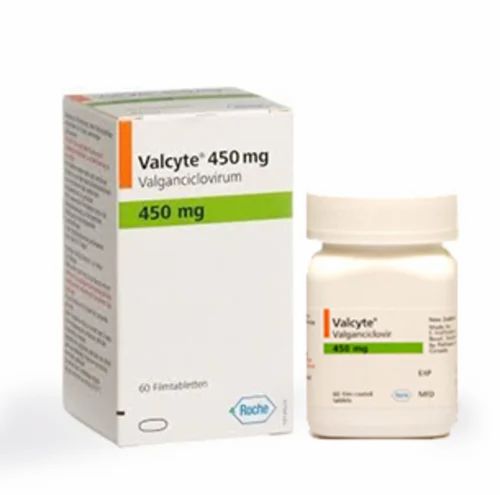
Valganciclovir (trade name: Valganciclovir) and ganciclovir (Ganciclovir) are antiviral drugs, nucleoside analog inhibitors, mainly used to combat human cytomegalovirus (CMV) infection. Ganciclovir is the first-generation directly active drug, while valganciclovir is its prodrug (prodrug), which exerts antiviral effects after being converted into ganciclovir through enterohepatic metabolism in the body. Both achieve antiviral effects by inhibiting viral DNApolymerase and blocking viral DNA replication.
In contrast, valganciclovir has better oral absorption and high bioavailability, and can be directly taken orally for long-term maintenance treatment; while ganciclovir has poor oral absorption and often requires intravenous administration to ensure blood concentration. In other words, valganciclovir is a drug optimized for oral use to facilitate long-term management of CMV infection in a home setting.
2. Differences in pharmacokinetics and efficacy
The oral absorption rate of ganciclovir is low, only about 5%–9%. Therefore, it is difficult for most oral patients to achieve therapeutic blood concentrations and require intravenous (IV) administration to achieve clinical efficacy. IVGanciclovir is suitable for acute CMV infections, high-risk patients after organ transplantation, and patients who are unable to take oral medications. However, the injection process is cumbersome and requires operation by a medical institution, and there is a risk of local venous irritation and systemic adverse reactions.
The oral absorption rate of valganciclovir is approximately 60%–70%. It can be rapidly converted into active ganciclovir after enterohepatic metabolism, and its plasma concentration is comparable to IVganciclovir. This means that valganciclovir can be used clinically for oral treatment and maintenance medication, especially for CMV prevention after organ transplantation and patients with mild to moderate infections, to avoid frequent intravenous infusion and improve patient compliance.
In terms of efficacy, both drugs ultimately exert anti-CMV effects in the form of ganciclovir in the body, so their antiviral activities are basically the same. The differences mainly lie in the mode of administration, drug absorption and ease of use, rather than pharmacological potency.
3. Comparison of clinical indications and uses
Ganciclovir (Ganciclovir) is mainly used for:
CMVRetinitis (especially in AIDS patients)
Severe or activeCMVInfection (such as pneumonia, gastroenteritis)
After organ transplantationCMVPrevention and treatment (high-risk transplant patients)
Due to poor oral absorption, intravenous injection is often used for acute clinical treatment. IVGanciclovir has a rapid onset of action and can be used in patients with critical infections or digestive tract malabsorption.
The main uses of Valganciclovir (Valganciclovir) include:
CMVPrevention in kidney, heart, or liver transplant patients
Mild to moderateCMVOral treatment for infection
HIVCMVmaintenance treatment for infected persons
Since effective blood concentration can be achieved by oral administration, valganciclovir is more convenient for long-term maintenance or preventive medication, and at the same time, it can reduce the occupation of medical resources and risks related to intravenous injection.
In general, IVganciclovir is used for acute, severe or oral conditions, while valganciclovir is suitable for oral long-term maintenance and prevention. The two can complement each other clinically.
4. Adverse reactions and precautions for use
Common adverse reactions of both are similar, including:
Bone marrow suppression: leukopenia, thrombocytopenia, anemia
Abnormal liver and kidney function
Gastrointestinal reactions: nausea, diarrhea, abdominal pain
Oral administration of valganciclovir can reduce adverse effects related to intravenous procedures, such as phlebitis and the risk of infection, but blood routine and liver and kidney functions still need to be monitored. Intravenous injection of ganciclovir can be used to quickly control viral replication, but the operation is complex and requires supervision by a medical institution.
Both require dose adjustment in patients with renal insufficiency to avoid drug accumulation leading to exacerbation of myelosuppression. Pregnant or breastfeeding patients should strictly follow medical advice and weigh the risks and benefits.
5. Clinical use strategies and comprehensive evaluation
In organ transplant or immunosuppressed patients, commonly used clinical strategies are:
Acute or severe CMV infection: first choiceIVganciclovir to quickly control viral replication.
Long-term maintenance or prevention: Use oral valganciclovir to ensure stable blood concentration and reduce the frequency of hospitalization and the inconvenience of intravenous injection.
This combined use strategy gives full play to the advantages of both: ganciclovir has a rapid onset of action and valganciclovir facilitates long-term management. Research shows that there is no significant difference in the final efficacy between the two, but valganciclovir is more suitable for long-term home medication to improve patient compliance.
Overall, valganciclovir improves the ease of management of HIV or organ transplant patients CMV, while ganciclovir remains irreplaceable in acute treatment. Clinical selection should take into account the condition, ease of administration, and patient compliance to achieve optimal treatment outcomes.
Reference materials:https://www.drugs.com/
[ 免责声明 ] 本页面内容来自公开渠道(如FDA官网、Drugs官网、原研药厂官网等),仅供持有医疗专业资质的人员用于医学药学研究参考,不构成任何治疗建议或药品推荐。所涉药品可能未在中国大陆获批上市,不适用于中国境内销售和使用。如需治疗,请咨询正规医疗机构。本站不提供药品销售或代购服务。


