
.jpeg)
How will the effect of combining ivonib/Tosuvo with targeted drugs be improved?
Ivosidenib (Ivosidenib) is an oral targeted drug mainly used to treat patients with acute myeloid leukemia (AML) carrying IDH1 mutations. IDH1 (isocitrate dehydrogenase 1) mutations are a common genetic variation in certain types of cancer, especially leukemias. Ivonib inhibits the activity of IDH1 mutant protein and restores normal cell metabolic processes, thereby preventing the growth and proliferation of tumor cells. In recent years, clinical research results of ivonib have shown that it can significantly improve the therapeutic effect when combined with other treatment modalities, especially targeted drugs.
The mechanism of action of targeted drugs is to inhibit the proliferation and survival of tumor cells by specifically acting on certain molecules or genes in cancer cells. When treating certain types of cancer, single drugs often have limited effectiveness, making combination therapy an important strategy to improve efficacy. When ivonib is used in combination with other targeted drugs, it can produce synergistic effects through multiple mechanisms.
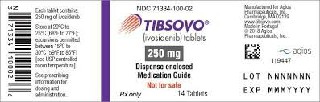
First, the combination of ivonib with other targeted drugs can improve the specific targeting of cancer cells. IDH1 mutations often appear in malignant tumors such as acute myeloid leukemia (AML). Such mutations promote the proliferation of cancer cells by changing cellular metabolic pathways. Ivonib restores the normal metabolic state by inhibiting the mutated IDH1 protein and reducing the survival advantage of cancer cells. However, cancer cells often have complex molecular mechanisms that may lead to resistance to a single targeted therapy. At this time, combining ivonib with other targeted drugs can cover more targets, enhance the therapeutic effect, and overcome drug resistance.
Secondly, the combination of ivonib and targeted drugs can help enhance the anti-tumor response of the immune system. Many cancers, especially leukemias and solid tumors, possess immune evasion mechanisms that allow cancer cells to evade immune system surveillance. Studies have found that ivonib may improve the immune system's recognition and attack of tumors to a certain extent by affecting the tumor microenvironment. The effects of ivonib may be further enhanced when used in combination with immune checkpoint inhibitors or other immune-related targeted drugs. Immunotherapy can effectively activate the anti-tumor activity of immune cells such as T cells and natural killer cells, while ivonib inhibits the metabolic changes caused by IDH1 mutations, making tumor cells more easily recognized and eliminated by the immune system.
In addition, the combined use of ivonib and targeted drugs may also enhance the comprehensive treatment effect on tumors. In the treatment of leukemia, multiple methods such as combined chemotherapy, targeted therapy, and immunotherapy are often required. As a targeted therapy drug, ivonib can cooperate with other treatment methods to form a multi-level anti-tumor network. For example, when ivonib is used in combination with a targeted kinase inhibitor, it can perform dual intervention on different signaling pathways, reducing the limitations of a single targeted therapy. This combination treatment regimen can improve the overall efficacy of treatment by increasing the sensitivity of cancer cells to the drug.
Reference materials: https://www.tibsovo.com/
[ 免责声明 ] 本页面内容来自公开渠道(如FDA官网、Drugs官网、原研药厂官网等),仅供持有医疗专业资质的人员用于医学药学研究参考,不构成任何治疗建议或药品推荐。所涉药品可能未在中国大陆获批上市,不适用于中国境内销售和使用。如需治疗,请咨询正规医疗机构。本站不提供药品销售或代购服务。


