
.jpeg)
How long does it take to take Giritinib (Segatan) and recommended treatment schedule?
Gilitinib is an oral small molecule FLT3tyrosine kinase inhibitor, mainly used to treat **FLT3 mutation-positive relapsed or refractory acute myeloid leukemia (AML) ** patients. By selectively inhibiting the FLT3 signaling pathway, giritinib can block tumor cell proliferation and induce apoptosis, thereby controlling leukemia progression. The characteristics of oral administration make it suitable for long-term continuous treatment and facilitates administration in the outpatient setting.
Giritinib is usually taken orally once daily, and the recommended dose is 120 mg/day. For patients with relapsed or refractory AML, it is clinically recommended to continue taking it daily until disease progression or intolerable adverse reactions occur. There is currently no fixed upper limit for treatment duration, because efficacy and safety need to be dynamically judged through hematological indicators, bone marrow assessment and imaging monitoring, and treatment time may range from several months to more than a year.
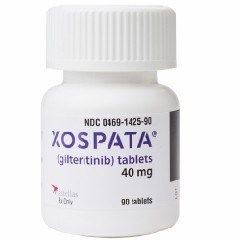
In practical applications, giritinib can be used in combination with low-dose chemotherapy or azacitidine (Azacitidine) to improve response rates and survival benefits. The course of treatment needs to be adjusted according to the patient's bone marrow response, blood picture recovery and tolerance. When moderate to severe bone marrow suppression or abnormal liver and kidney function occurs, the drug can be temporarily stopped or the dose can be reduced, and then the course of treatment can be continued to ensure a balance between efficacy and safety.
During giritinib treatment, patients should regularly undergo routine blood tests, liver and kidney function and bone marrow examinations, and closely monitor changes in white blood cells, platelets and liver enzymes. At the same time, attention should be paid to drug interactions and adverse reactions, such as fever, fatigue, diarrhea or QT interval prolongation. Overall, the giritinib treatment course should be individually designed to continuously control leukemia progression, maintain remission, minimize side effects, and provide patients with a long-term safe and controllable treatment plan.
Reference materials:https://www.drugs.com/
[ 免责声明 ] 本页面内容来自公开渠道(如FDA官网、Drugs官网、原研药厂官网等),仅供持有医疗专业资质的人员用于医学药学研究参考,不构成任何治疗建议或药品推荐。所涉药品可能未在中国大陆获批上市,不适用于中国境内销售和使用。如需治疗,请咨询正规医疗机构。本站不提供药品销售或代购服务。


