
.jpeg)
How effective is linezolid/swollen compared to cephalosporins?
Linezolid (Linezolid), an oxazolidinone antibacterial drug, has played an important role in the treatment of drug-resistant Gram-positive bacterial infections (bacterial infections) since its advent. In particular, it shows significant antibacterial activity against methicillin-resistant Staphylococcus aureus (MRSA), vancomycin-resistant enterococci (VRE) and some multi-drug-resistant Streptococcus pneumoniae. Cephalosporin antibiotics are β-Lactam broad-spectrum antibiotics have long been used to treat various community-acquired and nosocomial infections. However, their efficacy may be limited when facing drug-resistant strains. This is the core reason why the two are often compared.
From a mechanism perspective, linezolid inhibits the formation of bacterial 50S ribosomal subunits and blocks protein synthesis, thereby being highly selective against a variety of Gram-positive drug-resistant bacteria. In contrast, cephalosporin antibiotics mainly exert bactericidal effects by inhibiting the synthesis of bacterial cell walls and are equally effective against Gram-positive bacteria. However, in the face of drug-resistant strains such as MRSA and VRE , cephalosporin antibiotics are often ineffective and need to be combined with other drugs or higher-level antibiotics must be selected. Only β-lactam drugs can ensure the therapeutic effect. This also makes linezolid an important clinical option for infections caused by drug-resistant Gram-positive bacteria, especially in severe infections or when conventional antibiotic treatments have failed.
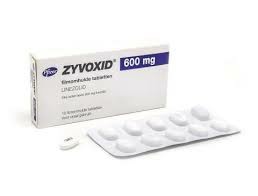
In clinical application, both oral and intravenous administration of linezolid can maintain high bioavailability and can effectively penetrate lung tissue, bone tissue and the central nervous system, providing a convenient treatment approach for complex infections. Although cephalosporin antibiotics can also be used for pneumonia, skin and soft tissue infections, and urinary tract infections, their efficacy may be limited when facing multi-drug-resistant strains or patients with low immune function. In addition, the antibacterial activity of linezolid shows time-dependent characteristics, which facilitates the maintenance of stable blood concentration and makes the treatment plan more controllable and continuous.
However, the side effects and long-term risks of linezolid need to be taken into consideration. As a reversible monoamine oxidase (MAO) inhibitor, it is necessary to avoid high-tyramine foods and combine with certain antidepressants and serotonin drugs during treatment to reduce blood pressure fluctuations and the risk of serotonin syndrome. Cephalosporin antibiotics are relatively well tolerated, but long-term or broad-spectrum use may lead to intestinal flora imbalance, allergic reactions, or secondary infections. Therefore, when choosing antibacterial drugs, clinicians need to make individualized decisions based on the patient's infection type, risk of drug resistance, previous medication history, and potential side effects.
In the management of drug-resistant bacterial infections, overseas guidelines and real-world studies have emphasized that linezolid has more advantages than cephalosporin antibiotics in treating complex drug-resistant bacterial infections, especially in MRSA,VRE It can provide a more stable therapeutic effect in some Streptococcus pneumoniae infections. At the same time, its oral accessibility and tissue penetration capabilities also make the connection between inpatient and outpatient services smoother. In community-acquired infections without resistance limitations, cephalosporin antibiotics are still the first choice, but when the risk of resistance is high, the patient's underlying disease is complex, or when traditional treatments are ineffective, linezolid has obvious advantages.
References: https://go.drugbank.com/drugs/DB00601
[ 免责声明 ] 本页面内容来自公开渠道(如FDA官网、Drugs官网、原研药厂官网等),仅供持有医疗专业资质的人员用于医学药学研究参考,不构成任何治疗建议或药品推荐。所涉药品可能未在中国大陆获批上市,不适用于中国境内销售和使用。如需治疗,请咨询正规医疗机构。本站不提供药品销售或代购服务。


