
.jpeg)
Clinical cases of indications of Maribavir/Yitazhi
Maribavir (Maribavir) is an anti-CMV (CMV) targeted therapy drug that has been significantly discussed in the field of international transplant infections in recent years. Its indications mainly focus on the transplant population who have insufficient response to standard treatments. In guidelines and real-world cases, maribasvir is used for the treatment of refractory or drug-resistant CMV infections in adults and children 12 years of age and older, particularly those who have experienced failure to respond to treatment with ganciclovir, valganciclovir, cidofovir, or foscarnet after hematopoietic stem cell transplantation or solid organ transplantation. Since these patients are usually in a highly immunosuppressed state, once CMV is reactivated, it may cause multiple organ damage in a short period of time and even threaten transplant survival, so treatment is extremely urgent.
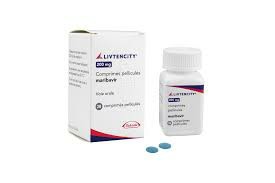
Some patients experience continued rise in viral load after transplantation, accompanied by changes in liver function, respiratory system, or decreased blood count, and traditional antiviral drugs cannot be continued due to bone marrow suppression or viral resistance. Such patients are switching to After treatment with maribavivir, virus replication was gradually controlled, symptoms of some patients were relieved, and the overall progression of infection was contained. These cases collectively reflect a clinical environment: the use of traditional drugs in transplant patients is limited, and maribavivir provides another type of targeted suppression strategy, which is especially suitable for patients with significant myelosuppression, the presence of drug-resistant mutations, or patients who require long-term immunosuppression.
From the perspective of pharmacological characteristics, maribavivir does not cause leukocyte abnormalities as often as traditional antiviral drugs, so it has higher availability in the transplant population with fragile bone marrow function. As the number of overseas cases continues to increase, a new clinical consensus has gradually formed, that is, The role of maribabavir in "high-risk post-transplant CMV reactivation" is becoming increasingly important.
Reference materials: https://www.livtencity.com/
[ 免责声明 ] 本页面内容来自公开渠道(如FDA官网、Drugs官网、原研药厂官网等),仅供持有医疗专业资质的人员用于医学药学研究参考,不构成任何治疗建议或药品推荐。所涉药品可能未在中国大陆获批上市,不适用于中国境内销售和使用。如需治疗,请咨询正规医疗机构。本站不提供药品销售或代购服务。


