
.jpeg)
Guidance on the long-term medication cycle of Mavakatai/Mefantuo
As the first small molecule drug that directly regulates the function of cardiac contractile proteins, mavacamten (mavacamten) brings a new treatment path for hypertrophic cardiomyopathy (HCM)). The long-term medication cycle has always been a focus of concern for patients and clinicians, because the drug targets the core mechanism of excessive activation of myocardial contractility, and whether continued suppression of myocardial power will cause fluctuations in cardiac function requires a structured follow-up strategy. Judging from current international guidelines and overseas research, the key to long-term treatment is not to fix the length of the course, but to adjust the dose in a timely manner based on changes in cardiac function to keep the patient within a stable physiological range.
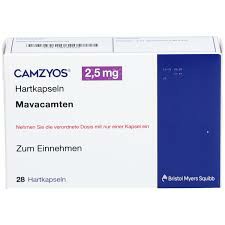
In long-term medication cycles, the core monitoring points are left ventricular ejection fraction (LVEF) and ultrasound parameters related to dynamic pressure gradients. Since Mavacate reduces myocardial contractility by inhibiting the interaction between myosin and actin, if the dose is too high, it may lead to a decrease in contractility. Therefore, it is generally emphasized overseas that regular echocardiography examinations are required during treatment. This monitoring method is used to evaluate whether the original dose needs to be continued, appropriately reduced, or temporarily discontinued. In patients with long-term use, if ultrasound indicators show stable function, the treatment cycle can continue for many years; if there is a slight decline, interval dose adjustment rather than permanent discontinuation is usually required.
In terms of medication cycle selection, some studies have shown that patients have obvious improvements in myocardial structure and symptoms after using 6 months to 12 months. However, there are large physiological differences among different groups, so long-term treatment often adopts an individualized management model. For young patients, long-term use may be meaningful in delaying disease progression, while for middle-aged and elderly people, more emphasis is placed on controlling symptoms and maintaining stable cardiac function. Cardiomyopathy itself is characterized by chronic progression, so whether it is stable use at moderate doses or maintenance treatment at low doses, the core is continuous evaluation in long-term observation.
References: https://bnf.nice.org.uk/drugs/mavacamten/
[ 免责声明 ] 本页面内容来自公开渠道(如FDA官网、Drugs官网、原研药厂官网等),仅供持有医疗专业资质的人员用于医学药学研究参考,不构成任何治疗建议或药品推荐。所涉药品可能未在中国大陆获批上市,不适用于中国境内销售和使用。如需治疗,请咨询正规医疗机构。本站不提供药品销售或代购服务。


