
.jpeg)
Precautions for clinical use of somituximab (Mirvetuximab)
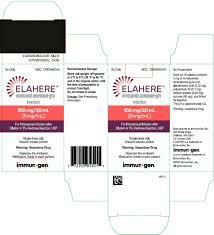
Mirvetuximab (Mirvetuximab) is an antibody drug conjugate (ADC) that has shown significant efficacy in the treatment of ovarian cancer patients with high FRα expression. However, due to its unique mechanism of action and the presence of conjugated toxin DM4, special attention needs to be paid to potential adverse reactions in multiple systems during use, especially eye, lung and nervous system toxicity, as well as potential effects on embryos. The following are the main precautions for clinical use:
1. Eye diseases
Somituximab can cause serious ocular adverse reactions, including impaired vision, keratopathy, dry eye, photophobia, eye pain, and uveitis. In clinical studies of patients receiving treatment, the median onset time of the first ocular reaction was 5.1 weeks, of which 53% of patients fully recovered, 38% of patients had partial improvement in symptoms, and approximately 1% of patients permanently discontinued the drug due to severe ocular reactions.
Clinical recommendations include an eye examination before treatment, regular follow-up (especially before treatment and every other cycle for the first eight cycles), and prompt ophthalmological referral in the event of new or worsening symptoms. Lubricants and topical steroid eye drops can be supplemented during use, and contact lenses should be avoided unless otherwise directed by the doctor. Depending on the severity of ocular adverse reactions, the dose may be adjusted or suspension/permanent discontinuation may be considered.
2. Pneumonia and interstitial lung disease (ILD)
Treatment with somituximab may result in serious, life-threatening adverse events such as interstitial lung disease or pneumonia. During treatment, patients need to be closely monitored for pulmonary symptoms, such as cough, dyspnea, hypoxia, and interstitial infiltrates on imaging examinations. Symptoms caused by infection, tumors, or other causes should be ruled out. In the event of persistent or recurrent grade 2 pneumonitis, somituximab should be withheld until symptoms resolve to grade ≤ 1, and dose reduction should be considered. Patients with grade 3 and above pneumonia must permanently discontinue treatment, while asymptomatic patients can continue treatment under close monitoring.
3. Peripheral neuropathy
Clinical trials showed that36% of patients developed peripheral neuropathy during somituximab treatment, of which 3% were grade 3 events. The main manifestations are paresthesia, tingling, burning sensation, neuropathic pain, decreased muscle strength, and movement or sensory impairment. The median time to onset was 5.9 weeks. Most patients' symptoms can be partially or completely relieved, and about 0.7% discontinue medication due to severe neuropathy.
Nervous symptoms should be closely monitored during use, and the dose should be suspended or adjusted appropriately according to the severity. For new or worsening neuropathy, doctors should weigh the benefits and risks before deciding whether to continue using ELAHERE.
4. Embryo-fetal toxicity
Somituximab contains a genotoxic compoundDM4, which may affect rapidly dividing cells and therefore poses embryo-fetal risks when taken by pregnant women. It is recommended that women of childbearing potential use effective contraception during treatment and for 7 months after the last dose. Patients should be informed of potential risks before use and should undergo pregnancy screening if necessary.
In summary, somituximab has clear efficacy in the treatment of ovarian cancer patients with highFRα expression, but clinical application requires strict monitoring of eye, lung and nervous system adverse reactions, and attention to reproductive safety. Early assessment, regular follow-up, timely intervention and dose adjustment are the keys to ensuring patient safety and maximizing efficacy.
Reference materials:https://www.elahere.com/
[ 免责声明 ] 本页面内容来自公开渠道(如FDA官网、Drugs官网、原研药厂官网等),仅供持有医疗专业资质的人员用于医学药学研究参考,不构成任何治疗建议或药品推荐。所涉药品可能未在中国大陆获批上市,不适用于中国境内销售和使用。如需治疗,请咨询正规医疗机构。本站不提供药品销售或代购服务。


