
.jpeg)
Are the side effects of Seladelpar serious?
Seladelpar (Seladelpar) is a new PPARδ agonist, and its safety has been verified in clinical trials and actual use. Compared with traditional immunosuppressive or liver treatment drugs, the adverse reactions of Siladepa are generally mild to moderate and mostly controllable. Common side effects include mild digestive symptoms such as nausea, diarrhea, or abdominal discomfort, as well as headache and mild fatigue. These reactions usually appear in the early stages of medication, and can mostly be alleviated after dose adjustment or short-term observation, without causing significant impact on the patient's life.
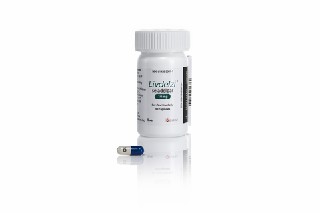
Siladepa has certain advantages compared with other drugs for the treatment of cholestatic liver disease. Its oral administration reduces the discomfort associated with injections and avoids some of the potential risks of systemic immunosuppression. In addition, clinical observations show that the incidence of severe liver function damage or systemic side effects is low, and patients do not need to worry too much. It should be noted that a small number of patients may experience mild elevations in liver enzymes, so liver function still needs to be monitored regularly during medication in order to detect abnormalities in time and adjust medication.
Some patients report temporary fatigue or mild dizziness early in the medication, but these symptoms usually subside as the body adapts. For patients with multiple liver diseases or taking other drugs, doctors will adjust the dose of Siladepa according to the specific situation to reduce the risk of side effects. The side effects of Siladepa are relatively mild and controllable, and will not seriously affect patients' daily life. At the same time, its local mechanism of action results in a low incidence of systemic adverse reactions, providing safety guarantee for long-term management of cholestatic liver disease.
Overall, the side effects of Siladepa are not serious, and common reactions can be effectively managed through dose adjustment and regular monitoring. Patients need to maintain communication with their doctor during use, pay attention to physical changes, and avoid stopping the medication or increasing the dose on their own, so as to ensure both efficacy and safety.
Reference materials:https://go.drugbank.com/drugs/DB12390
[ 免责声明 ] 本页面内容来自公开渠道(如FDA官网、Drugs官网、原研药厂官网等),仅供持有医疗专业资质的人员用于医学药学研究参考,不构成任何治疗建议或药品推荐。所涉药品可能未在中国大陆获批上市,不适用于中国境内销售和使用。如需治疗,请咨询正规医疗机构。本站不提供药品销售或代购服务。


