
.jpeg)
Detailed interpretation of the key contents and medication guidance of the official instructions of ensifentrine-Ohtuvayre
Ensefentrine (trade name Ohtuvayre) is a new dual-mechanism bronchodilator that combines the inhibitory effect of phosphodiesterase3 (PDE3) with phosphodiesterase3 pan>4 (PDE4) inhibition, administered through oral atomization or aerosol inhalation, is mainly used to relieve symptoms and improve lung function in patients with chronic obstructive pulmonary disease (COPD). The following will provide a detailed explanation of the medication guidance, indications, adverse reactions, dose management and precautions based on the official instructions, providing a reference for clinical application and patient use.
Indications and medication purposes
According to the official instructions, exefantine is mainly used to relieve COPD symptoms of airway constriction and dyspnea in patients. Its dualPDEinhibitory mechanism can expand bronchial smooth muscle and reduce airway inflammation, thereby improving lung function and exercise tolerance. For patients with moderate to severe COPD, especially those whose symptoms cannot be fully controlled by inhaled short-acting bronchodilator drugs, exefentine can be used as an auxiliary treatment. It is worth noting that this drug is not suitable for emergency treatment of acute asthma attacks or acute exacerbations of COPD. It is mainly used for long-term maintenance and symptom control.
Dosage and usage instructions
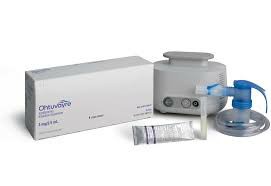
Official instructions recommend useOhtuvayre Administered through an aerosol inhalation device, usually twice a day, each dose is the prescribed amount of spray. The specific dose needs to be determined by the doctor's evaluation based on the patient's weight and symptom severity. Before use, you should read the instructions carefully and assemble the atomizer correctly according to the operating instructions to ensure that the medicinal solution is fully atomized for inhalation into the lower respiratory tract. Patients should be guided by medical personnel when using or adjusting the dose for the first time to observe tolerance and possible adverse reactions. The drug should be inhaled regularly in a stable state. Do not increase or decrease the dose at will or stop the drug on your own, otherwise it may lead to recurrence of symptoms or a decrease in drug efficacy.
Adverse reactions and safety tips
The official instructions list possible adverse reactions, including cough, throat irritation, dry mouth, mild headache, and occasional heart palpitations or slight increase in blood pressure. Most reactions are mild to moderate and usually resolve after a period of medication. If serious side effects occur, you should stop taking the medicine immediately and contact your doctor for treatment. During long-term use, cardiovascular function, blood pressure, and possible systemic reactions need to be monitored regularly, especially for patients with heart disease, hypotension, or other serious chronic diseases.
Precautions for use and clinical management
Before using Ohtuvayre, patients must confirm that they have no history of allergies to ensefentin and excipients, and inform the doctor of other drugs they are using to prevent drug interactions. For elderly patients or those with renal insufficiency, the dosage and number of inhalations need to be adjusted under the guidance of a professional doctor. In addition, patients should be followed up regularly during medication, including pulmonary function tests, symptom scores and quality of life assessments, so that treatment plans can be adjusted in a timely manner. The atomizer device should be kept clean during use to avoid contamination leading to infection or reduced drug inhalation efficiency. For children and pregnant women, there is currently insufficient clinical data, and the risks and benefits should be strictly evaluated according to medical advice when using it.
In summary, exefantine (Ohtuvayre), as a new type of PDE3/4 dual inhibitory bronchodilator, has clinical value in improving COPD symptoms and improving lung function. Correct use, following official instructions, regular follow-up and monitoring are the keys to ensuring efficacy and safety. Patients should use medications in a standardized manner under the guidance of a doctor, reasonably manage dosage and frequency of use, and pay attention to potential adverse reactions and drug interactions to obtain the best long-term treatment effect.
Reference materials:https://www.drugs.com/
[ 免责声明 ] 本页面内容来自公开渠道(如FDA官网、Drugs官网、原研药厂官网等),仅供持有医疗专业资质的人员用于医学药学研究参考,不构成任何治疗建议或药品推荐。所涉药品可能未在中国大陆获批上市,不适用于中国境内销售和使用。如需治疗,请咨询正规医疗机构。本站不提供药品销售或代购服务。


