
.jpeg)
Anagrelide or hydroxyurea, which one has fewer side effects and safety analysis
First, from the perspective of hematological side effects, hydroxyurea may cause leukopenia and red blood cell reduction, anemia, or low platelets, while anagrelide has relatively few hematological side effects, mainly manifesting as mild thrombocytopenia. Therefore, for patients with fragile hematology or at risk of anemia, anagrelide is generally superior to hydroxyurea in terms of hematological safety. However, anagrelide may cause palpitations, increased heart rate, or mild edema in some patients, and they need to pay attention to their cardiovascular health.
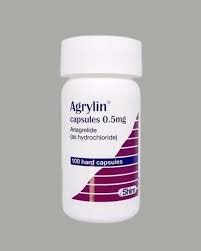
Thirdly, from the perspective of safety management in clinical application, anagrelide requires regular monitoring of cardiovascular indicators, such as electrocardiogram and blood pressure, while hydroxyurea relies more on routine blood work and liver and kidney function monitoring. Both require dosage adjustment based on patient response, but the dosage adjustment space of anagrelide is relatively flexible. For some patients who are intolerant to hydroxyurea or are at risk of long-term medication, anagrelide provides a safer alternative.
In summary, anagrelide has generally fewer side effects than hydroxyurea, especially in terms of hematology and long-term safety. However, attention needs to be paid to cardiovascular-related adverse reactions. Which drug to choose clinically should be determined by the doctor after comprehensive evaluation based on the patient's blood indicators, cardiovascular health status and long-term medication needs, in order to achieve a balance between maximum efficacy and minimum risk.
Reference: https://www.drugs.com/
[ 免责声明 ] 本页面内容来自公开渠道(如FDA官网、Drugs官网、原研药厂官网等),仅供持有医疗专业资质的人员用于医学药学研究参考,不构成任何治疗建议或药品推荐。所涉药品可能未在中国大陆获批上市,不适用于中国境内销售和使用。如需治疗,请咨询正规医疗机构。本站不提供药品销售或代购服务。


