
.jpeg)
Which four types of people cannot take Tofacitinib/Shangjie?
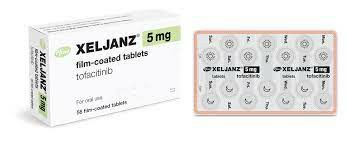
Tofacitinib is an oral JAK inhibitor that affects immune signaling pathways and is mainly used to treat rheumatoid arthritis, psoriatic arthritis and certain inflammatory bowel diseases. Although it is convenient to take orally and takes effect quickly, it is not suitable for everyone. Overseas guidelines and drug instructions clearly state that there are four groups of people who need to be particularly cautious or even avoid using tofacitinib to reduce the risk of serious adverse events.
The first category is people who are not suitable for taking strong immunosuppressants. Tofacitinib inherently reduces some immune responses. For people who are extremely immunocompromised or have severe active infections, the use of tofacitinib may further weaken immunity and make it difficult for the body to fight off viral, bacterial or fungal invasion. For example, people who are experiencing severe infection, active stage of tuberculosis, or other serious pathogen outbreaks are usually recommended to suspend or prohibit use. For patients with a higher risk of latent infection, doctors usually perform screening and preventive measures before use.
The second category is patients who are at risk for thrombosis or have had a thrombotic event in the past. Overseas regulatory agencies have clearly pointed out in multiple drug updates that tofacitinib may be associated with an increased incidence of venous thrombosis and arterial thrombosis. It should be used with extreme caution in people with previous deep vein thrombosis, pulmonary embolism, severe atherosclerosis, or blood clotting abnormalities. For such patients, doctors usually evaluate the risks and benefits before deciding whether tofacitinib can be used.
The third category is those with severely damaged liver function. Tofacitinib is metabolized in the liver, so abnormal liver function will affect the clearance rate of the drug in the body, causing an abnormal increase in blood drug concentration, thereby increasing the risk of side effects. Patients with severe liver disease, decompensated cirrhosis, or markedly elevated liver enzymes are generally considered contraindicated. In patients with mild to moderate hepatic dysfunction requiring tofacitinib, physicians may adjust the dose and increase monitoring based on symptoms.
The fourth category is people with significantly abnormal blood indicators, such as those with extremely low white blood cells or lymphocytes. Tofacitinib itself has a certain impact on bone marrow hematopoiesis. If the patient has obvious blood abnormalities before taking the drug, it may increase the risk of infection or worsen the condition. Most foreign guidelines recommend that blood routine should be evaluated before starting tofacitinib, and treatment should not be initiated if it is below the safe range.
In addition, although tofacitinib is not contraindicated in pregnancy, for pregnant women, lactating women, or those planning a pregnancy, doctors usually recommend discontinuing or switching to a safer alternative due to potential risks.
In general, the contraindications and unsuitable groups for tofacitinib mainly involve four major areas: infection risk, thrombosis risk, liver metabolic abnormalities and hematological abnormalities. The correct approach is to conduct a system evaluation before use and maintain regular monitoring during treatment to ensure safety.
Reference materials:https://www.xeljanz.com/
[ 免责声明 ] 本页面内容来自公开渠道(如FDA官网、Drugs官网、原研药厂官网等),仅供持有医疗专业资质的人员用于医学药学研究参考,不构成任何治疗建议或药品推荐。所涉药品可能未在中国大陆获批上市,不适用于中国境内销售和使用。如需治疗,请咨询正规医疗机构。本站不提供药品销售或代购服务。


