
.jpeg)
Symptoms after taking tofacitinib/Shangjie for 6 years
Tofacitinib is a widely used JAK inhibitor that many patients with rheumatoid arthritis need to take for a long time, ranging from months to years. In long-term observations in some countries, many patients have continued to take tofacitinib for more than 5-6 years, which has also made "what will be the physical manifestations after long-term use?" a common concern. Overall, the outcome of tofacitinib after 6 years of use is affected by disease control, individual tolerability, and long-term safety monitoring.
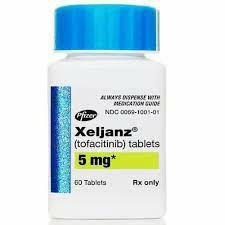
In terms of disease control, the most common symptom of many patients taking tofacitinib for a long time is that their joint symptoms remain relatively stable. Tofacitinib helps maintain low disease activity by inhibiting the JAK-STAT signaling pathway and reducing the release of inflammatory factors. Patients who use it for a long time often experience maintenance changes such as reduced joint swelling, shortened morning stiffness, and improved mobility. Even if they are not completely relieved, they can maintain a more stable quality of life.
In terms of long-term tolerability, tofacitinib is an oral immunomodulatory drug that relies on regulatory monitoring. After many years of continuous use, most patients' bodies will gradually adapt to their immune regulation patterns, and mild gastrointestinal discomfort or brief headaches that may occur in the early stages often improve over time. However, some patients experience changes in metabolic markers, such as increased blood lipids, over many years of use, which is one of the known long-term effects of tofacitinib. Overseas guidelines generally recommend regular monitoring of blood lipids during long-term use and intervention as needed.
Another aspect to be concerned about with long-term use is the risk of infection. Since tofacitinib suppresses some immune functions, long-term users should maintain observation for respiratory, skin and urinary system infections. However, it is worth emphasizing that many patients will not develop frequent infections after 6 years of medication. As long as they are monitored properly, the risk of infection can be controlled through dose adjustment and timely treatment.
Reference materials:https://www.xeljanz.com/
[ 免责声明 ] 本页面内容来自公开渠道(如FDA官网、Drugs官网、原研药厂官网等),仅供持有医疗专业资质的人员用于医学药学研究参考,不构成任何治疗建议或药品推荐。所涉药品可能未在中国大陆获批上市,不适用于中国境内销售和使用。如需治疗,请咨询正规医疗机构。本站不提供药品销售或代购服务。


