
.jpeg)
Interpretation of the core points of the instructions for Febuxostat/Febuxostat
1. Indications
Febuxostat (Febuxostat) is a new type of xanthine oxidase (XO) inhibitor. It is mainly used for the treatment of adult patients with chronic hyperuricemia. It is especially suitable for patients with gout symptoms and limitations of traditional drug treatment.
As a drug targeting XO Febuxostat can effectively reduce serum uric acid levels, thereby alleviating gout attacks and related complications. Clinically, this drug is mainly suitable for the following three types of patients:
One is patients who have insufficient response to the maximum dose of allopurinol (Allopurinol),
The second is patients who are intolerant to allopurinol.
The third is patients who are not suitable for allopurinol treatment due to contraindications or other reasons.
Limitation of use: For patients with asymptomatic hyperuricemia, febuxostat is not the first choice. Clinically, it is generally not recommended to use this product simply for elevated blood uric acid to avoid unnecessary drug exposure and potential risks.
2. Recommended dosage
1. Starting dose: 40 mg orally once daily. It can be taken with food or on an empty stomach and is not affected by antacids.
2. Dose adjustment: If the blood uric acid level does not drop below 6mg/dL after 2 weeks, it can be increased to 80mg once a day to achieve the ideal uric acid-lowering effect.
3. Kidney function adjustment:
No dose adjustment is required in patients with mild or moderate renal impairment;
The daily upper limit for patients with severe renal impairment is 40mg to reduce the risk of adverse reactions.
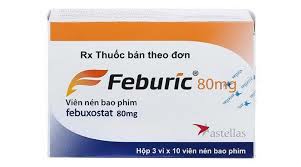
3. Adverse reactions
The safety profile of febuxostat is generally good, but certain adverse reactions may still occur. According to overseas and clinical research data, at least Side effects such as abnormal liver function, nausea, joint pain, or rash occurred in 1% of patients (about 0.5% more than placebo). Although most adverse reactions are mild to moderate and can be alleviated by symptomatic treatment, liver function and clinical symptoms still need to be monitored regularly during medication. Especially for patients with underlying liver disease or multiple concomitant medications, risks should be carefully assessed.
4. How to take it
Orally administered, it is convenient for patients to maintain long-term home or outpatient treatment.
No need to consider the impact of meals or antacids, improving medication compliance.
5. Drug interactions
Concomitant use with other xanthine oxidase substrate drugs (such as azathioprine or mercaptopurine) may significantly increase the plasma concentrations of these drugs, resulting in serious toxicity. During combined use, blood drug concentrations need to be strictly monitored, and the dose should be adjusted or the dosing interval extended if necessary.
6. Storage and packaging
Storage: no more than Store in airtight container at 25℃, avoid direct sunlight and humid environment.
Packaging:PTP aluminum-plastic plate, 14 pieces per box, convenient for patients to use according to the course of treatment.
7. Clinical applications and advantages
By targeting xanthine oxidase, febuxostat can effectively reduce blood uric acid levels, reduce the frequency of gout attacks and related complications.
It is particularly suitable for patients with insufficient response or intolerance to allopurinol, providing a safe and effective treatment option for chronic hyperuricemia and gout.
Individualized dosage design and regular follow-up can reduce the risk of side effects while improving patients' quality of life.
The introduction of this drug reflects the trend of modern drug treatment from single uric acid reduction to precise and individualized management, providing patients with scientific and sustainable treatment options.
Reference materials:https://www.drugs.com
[ 免责声明 ] 本页面内容来自公开渠道(如FDA官网、Drugs官网、原研药厂官网等),仅供持有医疗专业资质的人员用于医学药学研究参考,不构成任何治疗建议或药品推荐。所涉药品可能未在中国大陆获批上市,不适用于中国境内销售和使用。如需治疗,请咨询正规医疗机构。本站不提供药品销售或代购服务。


