
.jpeg)
How many injections of dupilumab/dalbitux are generally required?
The injection course design of dupilumab (dupilumab) emphasizes individualization and long-term maintenance treatment. Inchronic obstructive pulmonary disease and other immune-related diseases, the initial injection is usually given in a medical facility, with professional medical staff monitoring possible immune responses after the injection. For adjuvant maintenance treatment of COPD, dupilumab is mostly injected subcutaneously every two weeks or every four weeks. The specific plan will be individually adjusted based on the patient's weight, disease severity and inflammatory indicators.
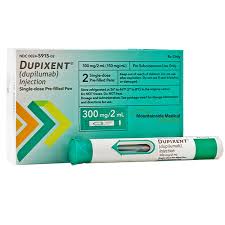
Clinical experience shows that patients need to be observed for weeks to months after the initial course of treatment to assess efficacy and tolerability. After 6 to 12 months of maintenance treatment, some patients can adjust the injection frequency or dose under the guidance of a doctor according to their condition and inflammatory response. However, caution is still required when stopping treatment to avoid acute exacerbation or disease rebound. The goals of long-term treatment are to stabilize the condition, reduce COPD exacerbations, and improve the patient's ability to perform daily activities.
Overseas guidelines point out that the course of dupilumab not only affects disease control, but is also closely related to the patient's immune status. During the treatment process, regular monitoring of eosinophil levels, lung function, and changes in clinical symptoms is the key to ensuring efficacy and safety. Patients should also maintain good medication compliance and avoid interrupting treatment at will. For patients with COPD, the injection course of dupilumab is a long-term maintenance treatment. Different from traditional first aid or short-term therapy, its advantage is that it can regulate the immune response in the long term and reduce the recurrence of airway inflammation.
In summary, the course of dupilumab injection requires individualized evaluation, and is usually a long-term maintenance treatment regimen once every two weeks or every four weeks. Through standardized treatment courses and regular follow-up, patients can achieve more stable disease control and improved quality of life, while reducing the risk of acute exacerbations, providing a reliable basis for precise management of COPD.
Reference materials:https://www.drugs.com
[ 免责声明 ] 本页面内容来自公开渠道(如FDA官网、Drugs官网、原研药厂官网等),仅供持有医疗专业资质的人员用于医学药学研究参考,不构成任何治疗建议或药品推荐。所涉药品可能未在中国大陆获批上市,不适用于中国境内销售和使用。如需治疗,请咨询正规医疗机构。本站不提供药品销售或代购服务。


