
.jpeg)
Usage, dosage and safe medication regimen of Biken Pronol Tablets (Bituvi)
Biktarvy is an oral antiretroviral fixed-dose combination drug, which mainly consists of Bictegravir (Bictegravir), emtricitabine (Emtricitabine) and tenofovir alafenamide (Tenofovir Alafenamide, TAF), used to treat adults and adolescentsHIV-1 infected. As a first-line treatment drug, Bikeren Prenol Tablets are highly effective, well tolerated, and have a simplified regimen (single tablet once daily), which helps improve patient compliance and long-term efficacy. Reasonable usage and dosage and safe medication regimen are crucial to ensure drug efficacy, prevent drug resistance, and reduce adverse reactions.
In terms of usage and dosage, Bikern Prenol tablets are recommended for adults and adolescent patients weighing ≥25kg and taking one tablet daily with or without food. The once-daily fixed dose simplifies traditional multi-drug combination regimens, reduces the risk of missed doses and improves treatment compliance. The drug is well absorbed after oral administration, and the blood concentration can be maintained at an effective level within 24 hours, thereby providing sustained inhibition of HIV virus replication. For patients with normal renal function or mild to moderate impairment, there is generally no need to adjust the dose; however, for patients with severe renal insufficiency (eGFR<30 mL/min/1.73m²) or patients with renal dialysis, they should be used with caution or choose an alternative under the guidance of a doctor.
Medication safety management is the core ofBiktarvy’s long-term use. First of all, patients need to undergo basic assessments such as HIV RNA viral load, CD4 cell count and liver and kidney function before starting to take medication to ensure drug safety and individual adaptability. During the period of taking the medicine, liver and kidney function, blood routine and viral load should be monitored regularly, usually from 4 to 8 weeks after the start of treatment. span>12 weeks and then every 3 to 6 months. For patients with chronic hepatitis B or hepatitis C, special attention needs to be paid to changes in liver function to prevent drug-induced liver damage or viral rebound.
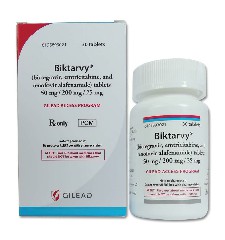
In terms of daily medication precautions, in order to improve efficacy and reduce adverse reactions, patients should try to take medication at the same time every day to avoid missing doses or stopping medication at will. If you miss a dose, you should take it as soon as you realize it, but you should not take a double dose at one time to make up for two days. Drug absorption is less affected by the gastrointestinal environment, but it is still recommended to take it with water and avoid large intakes at the same time with high-fat and high-protein meals to prevent digestive discomfort or mild diarrhea. Biktarvy Generally well tolerated, common adverse reactions include mild headache, fatigue, nausea, diarrhea and mild rash, most of which are mild to moderate and can resolve spontaneously after continued observation or symptomatic treatment.
For special groups, such as pregnant women, lactating women, elderly patients and those with other diseases, they should be used under the guidance of a doctor. Pregnant women or those planning pregnancy need to weigh the benefits of drugs against potential risks and conduct necessary monitoring; lactating women are usually advised to suspend breastfeeding to avoid HIV transmission and potential drug exposure. Elderly patients or those with multiple chronic diseases should pay attention to drug-drug interactions, especially drugs related to CYP3A4 and UGT1A1 (such as certain anti-epileptic drugs, antifungal drugs, rifampicin) which may affect Biktarvy blood concentration. If necessary, the medication regimen or drug efficacy needs to be monitored.
In addition, psychological and lifestyle management are equally important for long-term outcomes. Patients should adhere to a regular life, a balanced diet, quit smoking and limit alcohol, and avoid behaviors that affect immune function; at the same time, they should maintain regular follow-up visits and detect viral load and CD4 cell count as directed by the doctor to detect drug resistance or disease changes in a timely manner. Educating patients to correctly understand drug effects and possible adverse reactions and enhancing self-monitoring capabilities will help improve treatment compliance and overall efficacy.
To sum up, Biktarvy (Biktarvy) has become an important first-line treatment option for people infected with HIV-1 due to its once-daily fixed dose, stable efficacy and good tolerability. A safe and effective medication regimen includes strictly taking one tablet per day, regular monitoring of blood and liver and kidney functions, attention to drug-drug interactions, timely treatment of mild to moderate adverse reactions, and individualized management of special groups. Through scientific and standardized medication and daily management, Biktarvy can maximize its role in inhibiting viral replication, improving immune function, and reducing the risk of complications, thereby significantly improving the quality of life and long-term treatment effects of HIV infected patients.
Reference materials:https://www.drugs.com/
[ 免责声明 ] 本页面内容来自公开渠道(如FDA官网、Drugs官网、原研药厂官网等),仅供持有医疗专业资质的人员用于医学药学研究参考,不构成任何治疗建议或药品推荐。所涉药品可能未在中国大陆获批上市,不适用于中国境内销售和使用。如需治疗,请咨询正规医疗机构。本站不提供药品销售或代购服务。


