
.jpeg)
Is the rebound of Apremilast (Otelal) serious after stopping the drug? How to use medicine scientifically?
Apremilast is an oral small molecule PDE4 inhibitor mainly used to treat moderate to severe psoriasis and psoriatic arthritis. It regulates inflammatory factors such as TNF- by inhibiting phosphodiesterase 4 (PDE4) activity. α, IL-17 and IL-23 expression, thereby reducing the inflammatory response of the skin and joints. Since both psoriasis and psoriatic arthritis are chronic, relapse-prone diseases, and drugs inhibit inflammatory pathways continuously, special attention needs to be paid to disease management and risk of recurrence after drug withdrawal.
Clinical observation shows that there is indeed a possibility of symptom rebound after discontinuation of apremilast. Most patients may experience a gradual worsening of rash or arthritis symptoms within weeks to months after stopping the drug, but severe rebound is relatively rare. The speed and degree of recurrence are closely related to the patient's condition, the level of disease control before drug withdrawal, and individual inflammatory activity. Some patients on long-term maintenance therapy can still maintain a certain therapeutic effect after stopping the drug. However, if the underlying disease is active or there is a high risk of recurrence, discontinuing the drug may cause symptoms to rebound quickly.
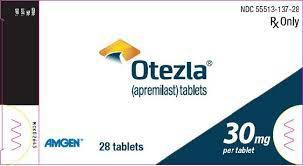
In terms of scientific medication strategy, apremilast should follow the principles of individualization and gradualness. It is recommended that after the disease stabilizes, patients can evaluate whether the medication can be reduced or used intermittently under the guidance of a doctor instead of suddenly stopping the medication to reduce the risk of rebound. Daily management should be combined with regular follow-up, monitoring of skin damage index (PASI), joint symptoms and quality of life indicators, and timely adjustment of dosage or resumption of treatment. For patients with a high risk of relapse, continued maintenance therapy is often more effective at controlling inflammation and reducing disease fluctuations.
In addition, lifestyle and auxiliary measures are equally important for maintaining efficacy. Patients should maintain a good routine, eat a balanced diet, quit smoking and limit alcohol, and pay attention to skin care and joint protection. At the same time, avoiding excessive mental stress and infection-inducing factors can reduce the probability of recurrence. Generally speaking, there is a certain risk of recurrence after discontinuation of apremilast, but through scientific and individualized medication regimens and lifestyle intervention, the severity of symptom rebound can be effectively reduced and long-term safe and stable disease management can be achieved.
Reference materials:https://www.drugs.com/
[ 免责声明 ] 本页面内容来自公开渠道(如FDA官网、Drugs官网、原研药厂官网等),仅供持有医疗专业资质的人员用于医学药学研究参考,不构成任何治疗建议或药品推荐。所涉药品可能未在中国大陆获批上市,不适用于中国境内销售和使用。如需治疗,请咨询正规医疗机构。本站不提供药品销售或代购服务。


