
.jpeg)
What is the specific meaning of cycloserine poisoning?
Cycloserine (Cycloserine) is an oral antituberculosis drug, mainly used in drug-resistant tuberculosis or combination treatment regimens. The so-called "poisoning" clinically refers to the situation where a patient suffers from a series of adverse reactions due to excessive drug intake, abnormal metabolism or sensitivity to drugs, which are beyond the scope of conventional drug treatment. Cycloserine poisoning mainly manifests as abnormalities in the neuropsychiatric system, liver and kidney function, and electrolyte balance. The drug exerts its antibacterial effect by inhibiting the synthesis of the cell wall of Mycobacterium tuberculosis, but may also affect the central nervous system, causing excitatory or inhibitory neurological symptoms.
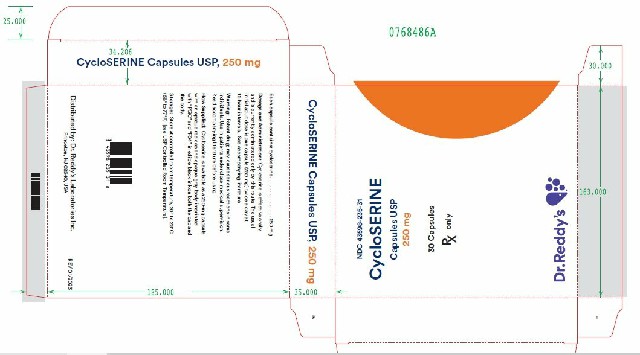
Typical symptoms include headache, dizziness, drowsiness, insomnia, abnormal mood, irritability and even hallucinations and delirium. Some patients may experience epileptiform seizures, which is closely related to cycloserine's interference with gamma-aminobutyric acid (GABA) metabolism. Patients with severe levels of intoxication may also experience changes in muscle tone, ataxia, and cognitive dysfunction. In patients with abnormal liver and kidney function or elderly patients, slow drug metabolism may increase the risk of toxicity.
From the perspective of clinical management, poisoning prevention mainly relies on reasonable dose adjustment, regular monitoring of blood drug concentrations, and close attention to patients' mental and neurological manifestations. If obvious symptoms of poisoning occur, the drug should be stopped immediately and supportive treatment should be taken, such as anticonvulsant drugs, fluid and electrolyte management, and hemodialysis or drug detoxification if necessary. Patients must strictly follow the doctor's instructions when using cycloserine and do not adjust the dosage or use it continuously for a long time to minimize the risk of poisoning. At the same time, when combined with other anti-tuberculosis drug treatments, the potential impact of drug interactions on the central nervous system should also be evaluated.
Overall, cycloserine poisoning is an adverse reaction that is controllable but requires high vigilance. The core lies in drug dosage, individual metabolic differences, and sensitivity of the nervous system.
Reference materials:https://en.wikipedia.org/wiki/Cycloserine
[ 免责声明 ] 本页面内容来自公开渠道(如FDA官网、Drugs官网、原研药厂官网等),仅供持有医疗专业资质的人员用于医学药学研究参考,不构成任何治疗建议或药品推荐。所涉药品可能未在中国大陆获批上市,不适用于中国境内销售和使用。如需治疗,请咨询正规医疗机构。本站不提供药品销售或代购服务。


