
.jpeg)
What are the common side effects of Cemiplimab?
Cemiplimab (Cemiplimab), as a PD-1 inhibitor, can enhance the anti-tumor activity of T cells, but it may also cause immune-related adverse reactions, which is a common feature of immune checkpoint inhibitors. In clinical studies and overseas marketing experience, common side effects mainly involve excessive activation of the immune system and injection-related reactions.
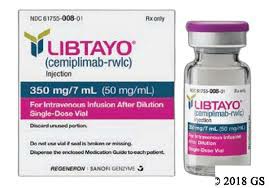
The most common adverse reactions include fatigue, rash, itching, diarrhea and nausea. Such symptoms are usually mild to moderate and can be relieved through symptomatic treatment. In some patients, injection site reactions such as redness, swelling, pain, or mild inflammation may also occur, which usually subside with continued use. In addition to these conventional reactions, cimepilimab may cause immune-related inflammatory diseases, including hepatitis, pneumonia, nephritis, and endocrine dysfunction, such as thyroiditis or adrenal insufficiency. Such side effects need to be detected and dealt with in a timely manner through regular monitoring of blood indicators and organ function.
Clinical data show that the incidence of serious immune-related side effects is low, but once they occur, the drug needs to be discontinued immediately and immunosuppressive treatment, such as glucocorticoid intervention, is required. In the early stages of treatment, doctors usually arrange regular blood routine, liver and kidney function, and imaging tests to detect potential risks early. In addition, the risk of infection related to immunosuppression cannot be ignored, such as respiratory tract infection or viral infection. Patients should pay attention to health management during medication and avoid contact with sources of infection.
Overall, the side effects of cimepilimab are controllable and can be tolerated by most patients. Through standardized monitoring and timely intervention, most side effects can be effectively managed. Patients need to maintain close communication with the medical team during medication. If persistent high fever, severe rash, difficulty breathing or obvious endocrine dysfunction occurs, they should seek medical treatment immediately.
Reference materials:https://www.libtayohcp.com/
[ 免责声明 ] 本页面内容来自公开渠道(如FDA官网、Drugs官网、原研药厂官网等),仅供持有医疗专业资质的人员用于医学药学研究参考,不构成任何治疗建议或药品推荐。所涉药品可能未在中国大陆获批上市,不适用于中国境内销售和使用。如需治疗,请咨询正规医疗机构。本站不提供药品销售或代购服务。


