
.jpeg)
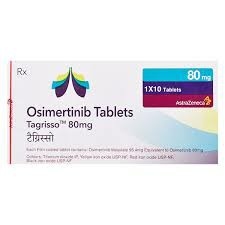
Osimertinib (Tagrisso) detailed instructions and medication safety guide
Osimertinib (trade name: Tagrisso) is a third-generation oral epidermal growth factor receptor (EGFR) tyrosine kinase inhibitor (TKI) developed by AstraZeneca in the UK. The drug is mainly used to treat patients with non-small cell lung cancer (NSCLC) who carry EGFR-sensitive mutations or T790M-resistant mutations. Osimertinib was originally designed to target patients who are resistant to the first two generations of EGFR-TKIs (such as gefitinib and erlotinib). Therefore, it has higher selectivity in inhibiting mutant EGFR and has a weaker inhibitory effect on normal EGFR and better safety.
In terms of pharmacological mechanism, osimertinib irreversibly binds to EGFR mutation sites (including T790M, pan>L858R and Exon19 deletion mutations), thus blocking the signal transduction pathways in tumor cells, inhibiting cell proliferation and promoting apoptosis. Clinical studies have shown that osimertinib can significantly prolong the median progression-free survival (PFS), which can exceed 18 months in some patients, and shows good central nervous system penetration in patients with brain metastases. With its significant efficacy and low side effects, osimertinib has become an important drug of choice for EGFR mutated advanced lung cancer and postoperative adjuvant treatment.
【Indications】
Osimertinib is suitable for:
Initial treatment of patients with locally advanced or metastatic non-small cell lung cancer containing EGFR sensitive mutations (Exon19 deletions or L858R mutations).
Patients with locally advanced or metastatic NSCLC who developed T790M drug-resistant mutations after first- or second-generation EGFR-TKI treatment.
Some countries or regions have approved it as a postoperative adjuvant therapy for patients with early-stage EGFR mutation-positive NSCLC to reduce the risk of recurrence.
【Usage and Dosage】
The recommended dose is 80 mg once a day. Take the whole tablet orally with food or on an empty stomach. If serious adverse reactions occur (such as prolongation of QT interval, interstitial pneumonia or severe rash), the dose should be suspended or reduced under the guidance of a doctor. If you miss a dose, you should take it as soon as possible, but if it is less than 12 hours before the next dose, you should skip the missed dose and do not take the medicine again.
【Adverse Reactions and Monitoring】
Osimertinib is generally well tolerated, but some common adverse reactions may still occur:
1.Digestive system reactions: diarrhea, nausea, loss of appetite, etc., which are generally mild to moderate and can be alleviated by adjusting diet, rehydration or short-term symptomatic drugs.
2.Skin and hair changes: rash, dry skin, brittle nails, or hair loss. It is recommended to keep the skin clean, use moisturizer, and avoid prolonged sun exposure.
3.Respiratory system adverse reactions: Individual patients may develop interstitial lung disease (ILD), manifesting as cough, shortness of breath or fever. The drug should be stopped immediately and seek medical attention.
4.Effects on heart and liver function: QT interval prolongation or liver enzyme elevation may occur, so regular monitoring of electrocardiogram and liver function is required.
During treatment, doctors usually monitor the efficacy and safety of the drug through routine blood tests, liver and kidney function, electrocardiogram, and imaging examinations. If the hematological indicators are stable, the tumor shrinks, and the symptoms improve, it indicates that the drug is effective. If obvious adverse reactions are found, the dose should be adjusted promptly or other targeted drugs should be used.
[Drug interactions]
Osimertinib is metabolized via the CYP3A4 pathway, and simultaneous use with potent CYP3A4 inducers (such as rifampicin, carbamazepine) or inhibitors (such as ketoconazole, clarithromycin) may affect plasma concentrations. Foods that can affect drug metabolism, such as grapefruit juice, should be avoided. In addition, when using antacids or proton pump inhibitors, they must be taken at least 2 hours apart to avoid affecting absorption.
【Medication Safety Guide】
1.Maintain regular medication: Taking osimertinib at a fixed time every day will help maintain stable blood concentration and enhance the therapeutic effect.
2.Avoid stopping or increasing the dose on your own: Medication courses are usually long-term continuous treatments. Stopping medications without your doctor’s permission may lead to disease relapse or an increased risk of drug resistance.
3.Pay attention to early identification of adverse reactions: If you have difficulty breathing, chest pain, severe rash or persistent diarrhea, you should seek medical attention immediately.
4. Contraindicated during pregnancy and lactation: Osimertinib may be toxic to the fetus. Women of childbearing age should take effective contraceptive measures while taking the drug.
5.Regular follow-up and testing: It is recommended to review every 4 to 6 weeks. The doctor will adjust the treatment plan based on imaging and biochemical indicators.
As a third-generation EGFR-TKI, Osimertinib is highly effective and safe, and can significantly extend the survival of patients with EGFRmutantNSCLC. It is an important milestone in the precision treatment of lung cancer today. Patients should strictly abide by the doctor's instructions during use, maintain regular medication and closely monitor adverse reactions. Through scientific and standardized long-term management, osimertinib can help patients achieve more lasting disease control and better quality of life.
Reference materials:https://www.drugs.com/
[ 免责声明 ] 本页面内容来自公开渠道(如FDA官网、Drugs官网、原研药厂官网等),仅供持有医疗专业资质的人员用于医学药学研究参考,不构成任何治疗建议或药品推荐。所涉药品可能未在中国大陆获批上市,不适用于中国境内销售和使用。如需治疗,请咨询正规医疗机构。本站不提供药品销售或代购服务。


