
.jpeg)
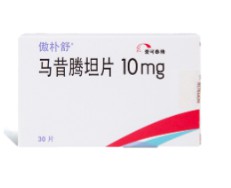
The complete version of the official instructions for macitentan (Aoposu) and the interpretation of the latest medication guide
Macitentan (Macitentan) is an oral endothelin receptor antagonist (Endothelin Receptor Antagonist, ERA), mainly used to treat patients with pulmonary arterial hypertension (Pulmonary Arterial Hypertension, PAH). It works by antagonizing endothelin-1 (Endothelin-1, ET-1) acts on ET-A and ET-B receptors, blocking vasoconstriction and vascular remodeling, thereby reducing pulmonary artery pressure, improving cardiac function and delaying disease progression. Since its launch, macitentan has become one of the important drugs in the treatment of PAH due to its clear efficacy, good tolerability and high safety in long-term use.
Indications and usage
According to the official instructions, macitentan is suitable for adult patients with pulmonary arterial hypertension in stages WHO graded from II to III to improve exercise tolerance, delay disease progression and reduce the risk of hospitalization and death. The standard recommended dose is 10 mg once daily orally with food. No dose adjustment is required before treatment, but caution should be used in patients with severe hepatic impairment (Child-Pugh C). During treatment, it is not recommended to use other ET receptor antagonists at the same time to avoid superimposed side effects.
Interpretation of pharmacological mechanisms and efficacy
Macitentan inhibits the contraction and proliferation of pulmonary artery smooth muscle cells through dual blocking of ET-A and ET-B receptors, while improving vascular endothelial function. Compared with first-generation ERAs, macitentan has better tissue penetration and longer half-life, making drug concentrations more stable, thereby improving sustained efficacy and reducing dose compliance issues. Clinical studies have shown that macitentan can significantly reduce pulmonary artery pressure, improve 6 minute walking distance (6MWD), delay deterioration of WHO functional class, and reduce the incidence of heart failure-related hospitalization. Long-term follow-up data also show that macitentan is better than some traditional drugs in slowing disease progression and improving survival.
Medication Safety and Monitoring
Macitentan is generally well tolerated, but some adverse reactions may still occur, including headache, nasopharyngitis, anemia, elevated liver enzymes, and edema. In order to ensure the safety of medication, patients should have liver function, hemoglobin and renal function evaluated before treatment, and hematological indicators and liver function should be followed up once a month during the initial period of medication. This can be extended to every 3 to 6 months based on stable conditions. If severe anemia or abnormal liver function occurs, the dose should be adjusted or the drug discontinued in time. Macitentan is contraindicated in pregnant and lactating women, and women of childbearing age should take effective contraceptive measures.
Co-medication and patient management
In clinical practice, macitentan can be used in combination with phosphodiesterase 5 inhibitors (such as sildenafil, tadalafil) to enhance the vasodilator effect and improve cardiopulmonary function, but it should be noted that it may increase the risk of blood pressure drop. Patients should maintain regular follow-up visits, including cardiac ultrasound, 6MWD, NT-proBNP levels and clinical symptom assessment, to judge the efficacy and adjust the treatment plan in a timely manner. At the same time, lifestyle management is also important. Patients should avoid overexertion, pay attention to salt intake, maintain moderate exercise, and monitor weight changes to reduce the load on the right heart.
Medication Guide for Special Populations
Elderly patients should pay attention to the potential risk of decreased renal function and drug interactions when using macitentan. In patients with mild to moderate hepatic impairment (Child-Pugh A/B), no dose adjustment is necessary, but increased monitoring is required. Sufficient safety data are lacking in children and adolescents and routine use is not recommended at this time.
As a new generation of endothelin receptor antagonist, macitentan has shown significant efficacy in the treatment of pulmonary arterial hypertension due to its unique dual-receptor antagonism mechanism, good tissue penetration and long-term safety. Through standardized medication management, regular monitoring and lifestyle intervention, patients can achieve stable hemodynamic improvement and improved quality of life. In the future, with the accumulation of more clinical data and the optimization of combination treatment options, macitentan will play a more prominent role in the management of PAH, providing patients with more comprehensive treatment options.
Reference materials:https://www.drugs.com/
xa0
[ 免责声明 ] 本页面内容来自公开渠道(如FDA官网、Drugs官网、原研药厂官网等),仅供持有医疗专业资质的人员用于医学药学研究参考,不构成任何治疗建议或药品推荐。所涉药品可能未在中国大陆获批上市,不适用于中国境内销售和使用。如需治疗,请咨询正规医疗机构。本站不提供药品销售或代购服务。


