
.jpeg)
Analysis of the mechanism of action of macitentan (Aoposu) tablets and clinical efficacy in patients with pulmonary arterial hypertension
Macitentan (Macitentan) is a new oral endothelin receptor antagonist (Endothelin Receptor Antagonist, ERA), mainly used to treat pulmonary arterial hypertension (PAH, Pulmonary Arterial Hypertension). PAHIt is a chronic, progressive disease characterized by increased pulmonary artery pressure, increased pulmonary vascular resistance and increased right heart load, which may eventually lead to right heart failure or even death. Endothelin-1 (ET-1) in the pathogenesis of PAH It plays an important role in causing vasoconstriction, smooth muscle proliferation and vascular remodeling through ET_A and ET_B receptors, thereby aggravating pulmonary vascular resistance. Macitentan effectively blocks ET-1-mediated vasoconstriction and cell proliferation by antagonizing ET_A and ET_B receptors, thereby improving pulmonary artery hemodynamics and delaying disease progression.
Macitentan’s mechanism of action has significant advantages. Compared with early ERAs, such as bosentan (Bosentan), macitentan shows optimized characteristics in receptor binding properties, pharmacokinetic stability and tissue penetration. Macitentan has high affinity and long-lasting binding ability to both ET_A and ET_B receptors. It is distributed in pulmonary vascular smooth muscle cells and endothelial cells and helps to continuously inhibit vasoconstriction and proliferation signals. In addition, macitentan generates active metabolites during liver metabolism and has a long half-life, allowing the drug to be taken orally once a day to maintain effective blood concentration, improve patient compliance, and reduce the risk of adverse reactions caused by fluctuations in blood concentration.
In terms of clinical application, a number of key studies have verified the efficacy of macitentan in PAH patients. For example, the SERAPHIN trial is an international multicenter, randomized, double-blind, placebo-controlled Phase III clinical study involving moderate to severe < /span>PAHPatients (including idiopathicPAH and connective tissue disease-related PAH). The study results showed that the macitentan treatment group significantly prolonged the time to the composite primary endpoint event (includingPAHexacerbation, lung transplantation, hospitalization and death), and compared with the placebo group, the risk of the composite event was reduced by approximately 45%. Additionally, macitentan treatment improved walking distance by 6 minutes (6MWD), hemodynamic indicators (such as pulmonary artery pressure and pulmonary vascular resistance), and NT-proBNP levels, showed positive effects on cardiac function and quality of life.
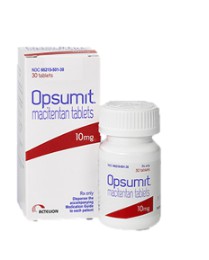
Macitentan also performed well in terms of patient safety and tolerability. Common adverse reactions include mild edema, nasopharyngitis, anemia and mild liver function abnormalities, but the incidence of serious adverse events is low and most can be controlled through dose adjustment or symptomatic treatment. Compared with earlier ERAs, macitentan has less impact on liver function and adverse effects are easier to manage. In addition, macitentan can be used in combination with phosphodiesterase 5 inhibitors (such as sildenafil) or prostaglandin analogs to provide individualized combination treatment options for patients with moderate to severe or progressive PAH to improve clinical efficacy.
In actual clinical application, macitentan is suitable for patients with stage WHOfunctional class II to III PAH, and can be used as a monotherapy or part of a combination treatment regimen. With long-term use, macitentan can not only significantly improve exercise tolerance and delay disease progression, but also reduce right heart load and improve cardiac structure and function, thereby prolonging patient survival. At the same time, the formulation of individualized treatment plans needs to take into account the patient's age, underlying diseases, concomitant medications, and hemodynamic indicators to ensure maximum efficacy and minimize adverse reactions.
Macitentan, as a new generation of ERAs, antagonizes ET_A and ET_B receptor inhibits vasoconstriction and smooth muscle proliferation, thereby improving pulmonary artery hemodynamics and providing an effective long-term treatment plan for PAH patients. Clinical trials have shown that macitentan can delay disease progression, improve exercise capacity and cardiac function, is well tolerated, and has great potential for combination therapy. With a deeper understanding of the pathological mechanisms of PAH, the application of macitentan in individualized treatment plans will be further optimized to provide safer and more efficient treatment options for PAH patients.
Reference materials:https://www.drugs.com/
[ 免责声明 ] 本页面内容来自公开渠道(如FDA官网、Drugs官网、原研药厂官网等),仅供持有医疗专业资质的人员用于医学药学研究参考,不构成任何治疗建议或药品推荐。所涉药品可能未在中国大陆获批上市,不适用于中国境内销售和使用。如需治疗,请咨询正规医疗机构。本站不提供药品销售或代购服务。


