
.jpeg)
Stiripentol capsule formula and precautions when taking it
Stiripentol is widely used for the combined treatment of Dravet syndrome in children. Long-term global application experience has shown that it has a specific mode of action on the central nervous system and has metabolic interactions with a variety of anti-epileptic drugs. In actual use, the possible adverse reactions and monitoring points must be fully understood. The following content is systematically organized based on the requirements of the instructions, and is explained in accordance with clinical concerns for the convenience of reference by patients’ families and clinicians.
1. Risk of drowsiness (Sedation)
Stipentol has significant CNS depressant properties and may cause drowsiness, especially when used concomitantly with clobazam. The study showed that the incidence of drowsiness in the treatment group increased significantly, which was consistent with the increase in the active metabolites of clobazam.
If obvious drowsiness occurs during combination therapy, clinical recommendations are to first reduce the dose of clobazam by 25% If symptoms are not relieved, an additional 25% can be reduced, and other anti-epileptic drugs with sedative effects also need to be adjusted. During the period of taking, you should avoid driving, operating machinery and other activities that require concentration until you have a clear understanding of the effects of the drug.
2. Decreased appetite and weight loss (Anorexia & Weight Loss)
Stipentol may cause decreased appetite, weight loss, nausea or vomiting in children, which is more common in the pediatric population and requires close attention to growth and development indicators. It is recommended to regularly monitor weight changes and growth curves during treatment, and pay attention to whether there is a decrease in food intake or nutritional intake. For children with significant weight loss, a moderate dose reduction (such as a 30% reduction per week) may be considered under the guidance of a physician to reduce the burden on the gastrointestinal tract and improve appetite.
3. Neutropenia and Thrombocytopenia (Neutropenia & Thrombocytopenia)
In some patients, stiripentol may cause a decrease in neutrophil or platelet counts, which may be related to its effects on drug metabolism and immune-related reactions. Although it is not a common phenomenon, once it occurs, it may increase the risk of infection, bleeding, etc., so routine blood monitoring must be performed in advance.
Conduct a baseline hematology examination before starting treatment; reexamine at least once every six months during medication; if there is a significant decline, the treatment plan should be adjusted in a timely manner.
4. Withdrawal risks and treatment (Withdrawal Consideration)
As with most antiepileptic drugs, abrupt discontinuation may increase the risk of seizures or even status epilepticus. The principle of drug withdrawal is usually to slowly and gradually reduce the dose to ensure the stability of the nervous system. If rapid discontinuation is required due to serious adverse reactions, it should be done under strict medical monitoring and to prevent the risk of attack.
5. Special risks for patients with phenylketonuria (PKU)
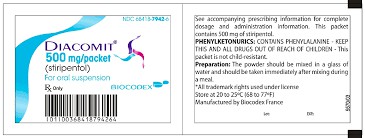
Stipentol contains aspartame and therefore provides a certain amount of phenylalanine. For patients with phenylketonuria, phenylalanine intake must be strictly controlled, so total daily intake needs to be assessed before using this drug.
6. Suicidal Behavior and Mood Changes (Suicidal Ideation & Mood Changes)
Anti-epileptic drugs (AEDs) have been found to be associated with risks of suicidal thoughts and mood changes in international drug safety monitoring, including stiripentol. Although the risk is low, the condition being treated (such as epilepsy) may itself increase the risk of mood disorders and requires comprehensive evaluation.
Family members need to focus on observing the following symptoms: sudden changes in mood; worsening signs of depression; abnormal behavior or aggression; expression of self-injury or suicidal tendencies; once suspicious symptoms are discovered, they need to communicate with the doctor in time to adjust the treatment plan.
Reference materials:https://www.diacomit.com/
[ 免责声明 ] 本页面内容来自公开渠道(如FDA官网、Drugs官网、原研药厂官网等),仅供持有医疗专业资质的人员用于医学药学研究参考,不构成任何治疗建议或药品推荐。所涉药品可能未在中国大陆获批上市,不适用于中国境内销售和使用。如需治疗,请咨询正规医疗机构。本站不提供药品销售或代购服务。


