
.jpeg)
The main functions and effects of Fulvestrant/Fuxit
Fulvestrant (Fulvestrant) is a selective estrogen receptor degrader (SERD), mainly used in patients with hormone receptor-positive (ER+) advanced or metastatic breast cancer. Its mechanism of action is to directly bind to estrogen receptors, causing receptor degradation, thereby blocking estrogen-dependent signaling pathways. This mechanism not only inhibits tumor cell proliferation, but also induces tumor cell apoptosis. It is a treatment modality that cannot be completely replaced by traditional anti-estrogen drugs.
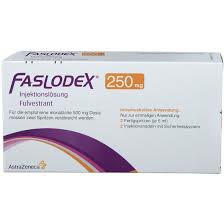
Unlike aromatase inhibitors, fulvestrant blocks the signaling pathway by degrading the receptor itself, rather than simply reducing estrogen levels in the body. This means that even if there is still a certain amount of estrogen in the patient's body, the drug can still inhibit tumor growth by reducing the number of receptors, providing new treatment options for patients with aromatase inhibitor resistance or relapse. Overseas literature shows that Fuxide can effectively delay disease progression in patients with recurrent or metastatic breast cancer and has a positive effect in improving quality of life.
In clinical applications, fulvestrant is often used in combination with other endocrine therapies or targeted drugs to enhance the anti-tumor effect. Fulvestrant offers an effective alternative for patients who have progressed on prior tamoxifen or aromatase inhibitors. It can maintain the stability of blood drug concentration for a long time and delay tumor recurrence by continuously inhibiting estrogen signaling. It is especially suitable for patients with advanced or metastatic breast cancer.
In summary, fulvestrant achieves precise blocking of signaling pathways by selectively degrading estrogen receptors, providing an important endocrine therapy for patients with hormone receptor-positive breast cancer. Fuxit has significant advantages in delaying disease progression, improving patients' quality of life, and providing alternative treatment for patients with aromatase inhibitor resistance, and has become an indispensable part of modern breast cancer treatment.
Reference materials:https://medlineplus.gov/druginfo/meds/a607031.html
[ 免责声明 ] 本页面内容来自公开渠道(如FDA官网、Drugs官网、原研药厂官网等),仅供持有医疗专业资质的人员用于医学药学研究参考,不构成任何治疗建议或药品推荐。所涉药品可能未在中国大陆获批上市,不适用于中国境内销售和使用。如需治疗,请咨询正规医疗机构。本站不提供药品销售或代购服务。


