
.jpeg)
Futibatinib Standard Usage and Dosage Guide
Futibatinib is an oral targeted drug for FGFR2 fusion-positive intrahepatic cholangiocarcinoma. Its usage, dosage, and monitoring specifications have been relatively fixed, and it has become an important part of the precision treatment plan. Before initiating treatment, a critical step is to confirm whether the patient has FGFR2 gene fusion or other gene rearrangement. Genetic testing methods typically include NGS, PCR, or RNA sequencing. Forbatinib is considered a reasonable choice only after it is clear that the mutation is positive. This is one of the biggest differences between this type of targeted drugs and traditional chemotherapy.
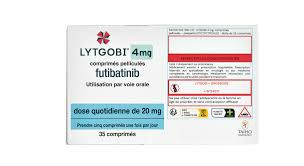
The standard recommended dose is 20 mg orally once daily. This is a dose determined based on the drug's metabolic profile, in vivo exposure levels, and the stable concentration required to inhibit FGFR2. Because the drug is an irreversible inhibitor, its treatment rhythm emphasizes regularity, so try to take it at the same time every day to maintain stable blood concentration. In terms of taking method, forbatinib can be taken with food or on an empty stomach, which makes it more flexible in long-term medication scenarios and also helps improve patient compliance. For patients who require joint management of multiple drugs, attention should also be paid to avoiding special drugs that affect drug metabolism, especially drugs that strongly inhibit or induce the CYP pathway, and adjustments need to be made according to the doctor's advice.
In terms of treatment time, forbatinib belongs to the "continuous treatment" model, that is, continued use until disease progression or unacceptable adverse reactions occur. Since targeted drugs are of great significance in the continuous inhibition of specific pathways, interruption or irregular use may affect the control effect, so sufficient medication consistency must be maintained during treatment. Overseas guidelines recommend that patients regularly monitor liver function, electrolytes, eye health, and blood phosphorus levels during treatment because FGFR inhibitors tend to affect phosphate metabolism. If an intolerance reaction is encountered, the doctor may recommend temporarily stopping the medication or adjusting the dose to ensure that the patient continues treatment within a safe range.
Reference materials:https://www.lytgobi.com/
[ 免责声明 ] 本页面内容来自公开渠道(如FDA官网、Drugs官网、原研药厂官网等),仅供持有医疗专业资质的人员用于医学药学研究参考,不构成任何治疗建议或药品推荐。所涉药品可能未在中国大陆获批上市,不适用于中国境内销售和使用。如需治疗,请咨询正规医疗机构。本站不提供药品销售或代购服务。


