
.jpeg)
Analysis of common side effects and symptoms of Osimertinib (Tagressa)
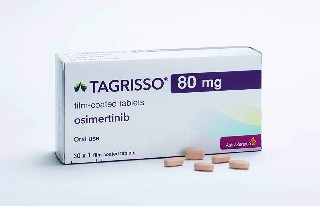
Osimertinib, also known as Tagrisso, is a third-generation EGFR (epidermal growth factor receptor) tyrosine kinase inhibitor (Tagrisso). span>EGFR-TKI), mainly used to treat patients with advanced or metastatic non-small cell lung cancer (NSCLC) carrying EGFR mutations. Because of its high selectivity and ability to penetrate the blood-brain barrier, the drug has significant efficacy in improving patients' survival and quality of life. However, like other targeted drugs, osimertinib may also cause a series of side effects during treatment, and their severity and onset time vary depending on individual differences. The following will systematically analyze the common side effects and symptoms of osimertinib.
First, gastrointestinal reactions are one of the most common side effects of osimertinib. Many patients will experience symptoms such as diarrhea, nausea, vomiting, loss of appetite, or oral ulcers in the early stages of medication. Diarrhea is the most common, with the incidence rate reaching about 50%. Mild diarrhea generally does not affect treatment and can be relieved by rehydration, proper diet, and taking antidiarrheal drugs (such as loperamide) as directed by your doctor. However, if symptoms of persistent diarrhea or dehydration occur, you should seek medical advice promptly to adjust the treatment plan. Nausea and loss of appetite usually occur within 1 to 2 weeks after taking the medication. Symptoms can be alleviated by eating small amounts more often, avoiding greasy food, or taking medication after meals.
Secondly, skin and nail-related reactions are also prominent side effects of osimertinib treatment. Since EGFR also plays a regulatory role in skin cells, drugs that inhibit this pathway can easily cause rashes, itching, dryness and scaling, nail inflammation, or cracks in the hands and feet. Rashes often appear as red papules or pustules on the face, chest and back. Most are mild to moderate and can be controlled without stopping the medication. Doctors usually recommend patients to use topical moisturizers or low-strength corticosteroid creams. Severe cases can be treated with short-term oral antibiotics. Nailitis or paronychia often occurs during long-term treatment. Repeated irritation and trauma should be avoided. Antibiotic ointment can be used to assist care.
The third common side effect is heart and lung-related adverse reactions. Osimertinib may cause QT interval prolongation and myocardial damage, especially in patients with underlying cardiac diseases or combined with other cardiac drugs, which requires more vigilance. Clinically, it is recommended to perform electrocardiogram examinations and monitor electrolyte levels before and during medication. In addition, a rare number of patients develop interstitial pneumonia (ILD) or pneumonia-like symptoms, manifested by persistent cough, shortness of breath, or fever. Such adverse reactions may be life-threatening if not treated in time. Once suspected, the drug should be discontinued immediately and lung imaging examination should be performed. If necessary, glucocorticoid treatment should be used.
Finally, laboratory test abnormalities are also aspects that require close attention during osimertinib treatment. Some patients will experience liver function damage such as elevated liver enzymes (ALT, AST), alkaline phosphatase or bilirubin during medication. Most of these symptoms are mild and reversible, but regular monitoring is required and concomitant use of other hepatotoxic drugs should be avoided. In addition, some patients may experience thrombocytopenia, leukopenia, or mild anemia, which is usually related to the drug's inhibition of bone marrow hematopoiesis. The doctor will decide whether to adjust the dose or suspend treatment based on the test results.
Overall, most of the side effects of osimertinib are controllable and reversible. With regular monitoring, early recognition, and appropriate management, most patients can safely take it long-term. Mild and moderate adverse reactions can usually be alleviated without stopping the drug; while serious adverse events require dosage adjustment or temporary interruption of treatment under the guidance of a doctor. Patients should maintain good living habits during treatment, such as a balanced diet, appropriate exercise, avoid smoking and drinking, and report physical changes to the doctor in a timely manner. Scientific management of side effects not only helps to improve the duration of efficacy before drug resistance, but also significantly improves patients' quality of life and long-term prognosis.
Reference materials:https://www.drugs.com/
[ 免责声明 ] 本页面内容来自公开渠道(如FDA官网、Drugs官网、原研药厂官网等),仅供持有医疗专业资质的人员用于医学药学研究参考,不构成任何治疗建议或药品推荐。所涉药品可能未在中国大陆获批上市,不适用于中国境内销售和使用。如需治疗,请咨询正规医疗机构。本站不提供药品销售或代购服务。


