
.jpeg)
What kind of medicine is Shafinamide Tablets (Siddaco)? Analysis of indications, pharmacological effects and clinical uses
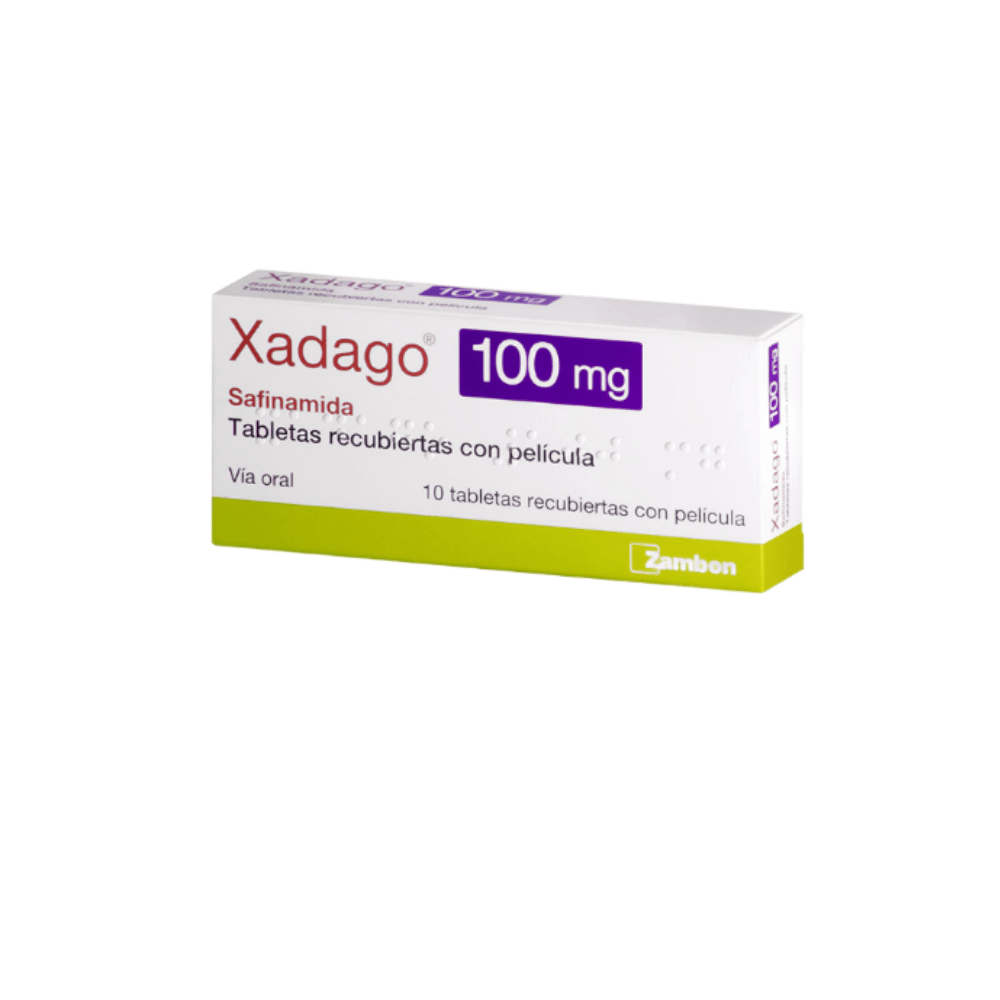
Safinamide tablets (Safinamide) is a new type of oral anti-Parkinson’s disease drug developed by the Italian Zambon company. It has been marketed in many countries and regions and is used to treat Parkinson’s disease. PD)**patients. Its unique mechanism of action and good safety make it an important supplementary option for dopamine replacement therapy, especially for patients receiving levodopa but experiencing "switching" phenomena or motor fluctuations.
1. Drug properties and indications
Safinamide tablets are reversible monoamine oxidase-B (MAO-B) inhibitors. They also have sodium channel blocking and glutamate release regulating effects. Pharmacologically, MAO-B inhibition can reduce the decomposition of dopamine in the brain, thereby increasing the concentration of dopamine in the synaptic cleft and improving motor symptoms in patients with Parkinson's disease; sodium channel blocking and glutamate regulation can regulate abnormal nerve signal conduction and reduce neurotoxicity and motor fluctuations.
The main indications for safinamide tablets are patients with moderate to severe Parkinson's disease, especially those who have been treated with levodopa but experience "switching" phenomenon or movement fluctuations. Some countries have also approved it as a monotherapy for early-stage Parkinson's disease, but it is mostly used clinically as an auxiliary drug to levodopa to prolong the dopamine replacement effect and reduce the occurrence of motor complications.
2. Analysis of pharmacological effects
Safinamine effectively inhibits dopamine degradation by reversibly inhibiting MAO-B enzyme activity and increases dopamine levels in the brain, thus improving symptoms such as bradykinesia, muscle stiffness and tremor. Compared with traditional irreversible MAO-B inhibitors, safinamide inhibitory effects are milder, reducing the risk of adverse reactions and drug interactions.
In addition, safinamine has a regulatory effect on excessive glutamate release. Abnormally elevated glutamate levels in the brains of patients with Parkinson's disease can aggravate movement disorders and neurotoxicity. By regulating glutamate release, safinamine can alleviate movement fluctuations and "switching" phenomena. At the same time, its blocking effect on sodium channels can weaken the excitability of abnormal neurons, thereby protecting neurons and delaying disease progression.
3. Clinical application and medication guidance
In clinical practice, safinamine is often used in combination with levodopa to improve motor fluctuations in patients with advanced Parkinson's disease. Clinical trials have shown that safinamide can significantly prolong patients' "on" time, reduce their "off" time, and improve their daily living abilities. The usual starting dose is 50 mg daily, which can be gradually increased to 100 mg based on tolerance and efficacy. The drug is well absorbed orally and does not need to be taken with food, but taking it with food can reduce the risk of gastrointestinal upset.
During the use of safinamide, attention should be paid to monitoring blood pressure, heart rate and mental status, especially in elderly patients. The drug is well tolerated, but some patients may experience side effects such as insomnia, nausea, dizziness, increased blood pressure, or hallucinations. If used in combination with other MAO inhibitors or dopamine drugs, attention should be paid to potential drug interactions and risks of blood pressure fluctuations.
4. Efficacy evaluation and clinical value
Multiple randomized controlled clinical trials have shown that safinamide has significant efficacy in the adjuvant treatment of Parkinson's disease. The patient's daily "on" time is extended for 1–2 hours, and movement fluctuations are significantly reduced. Non-motor symptoms such as pain and fatigue are also improved to some extent. Long-term use can stabilize the condition and reduce the risk of side effects caused by dopamine drug dose fluctuations.
Overall, safinamide tablets have important clinical value in the treatment of Parkinson's disease due to their dual mechanism of action, convenience in oral administration, and good tolerability. It not only improves motor symptoms, but also prolongs the efficacy of levodopa and reduces complications, providing a new treatment option for patients with moderate to advanced Parkinson's disease. In the future, with in-depth research on its mechanism of action and long-term efficacy, safinamide is expected to play a wider role in early Parkinson's disease and combination treatment options.
Reference materials:https://www.drugs.com/
[ 免责声明 ] 本页面内容来自公开渠道(如FDA官网、Drugs官网、原研药厂官网等),仅供持有医疗专业资质的人员用于医学药学研究参考,不构成任何治疗建议或药品推荐。所涉药品可能未在中国大陆获批上市,不适用于中国境内销售和使用。如需治疗,请咨询正规医疗机构。本站不提供药品销售或代购服务。


