
.jpeg)
Are there any serious side effects of durvalumab/Infinifer?
Durvalumab/Infinifer (Durvalumab), as an immunotherapy drug that has attracted much attention worldwide in recent years, has gradually become a standard solution in the treatment of lung cancer (small cell lung cancer, non-small cell lung cancer) and some solid tumors. But the question that many patients are most worried about before starting treatment is still: Are its side effects serious? Will it affect daily life? The safety of durvalumab is generally controllable, but it is an immune-based drug, so its side effects are different from traditional chemotherapy, with more emphasis on the physical reactions that may be triggered after the immune system is activated.
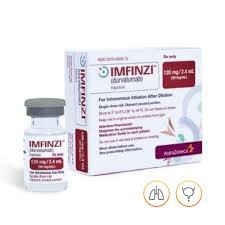
The most common side effects of durvalumab are fatigue, skin reactions, mild gastrointestinal discomfort, and cough. This type of reaction is not a strong chemotherapy toxicity, but an adaptive response after the immune system is re-mobilized. In most cases, it can be alleviated through symptomatic treatment. Some patients may also experience changes in thyroid function, mild inflammatory reactions, etc. This is a typical feature of immunotherapy and cannot be simply summarized as "large" or "minor" side effects. Standard monitoring is required to determine whether the side effects are within a controllable range.
It is important to note that the side effects of immune checkpoint inhibitors do not entirely depend on the dose, but are closely related to individual constitution, underlying diseases, tumor types, previous treatment history, etc. Therefore, the tolerance levels of different patients may vary significantly, and it is not the case that "one drug is the same for everyone." This is why overseas guidelines emphasize that regular follow-up visits must be maintained during treatment, and timely blood draws, imaging examinations, and symptom changes must be conducted to intervene as soon as adverse immune reactions occur to avoid them becoming serious.
In daily management, as long as patients pay attention to small changes in the body, such as rash, loss of appetite, persistent cough, diarrhea, abnormal fatigue, etc., and communicate with the doctor in time, most adverse reactions can be controlled in the early stage.
Reference materials:https://www.imfinzi.com/
[ 免责声明 ] 本页面内容来自公开渠道(如FDA官网、Drugs官网、原研药厂官网等),仅供持有医疗专业资质的人员用于医学药学研究参考,不构成任何治疗建议或药品推荐。所涉药品可能未在中国大陆获批上市,不适用于中国境内销售和使用。如需治疗,请咨询正规医疗机构。本站不提供药品销售或代购服务。


