
.jpeg)
Cemiplimab usage and precautions
Cemiplimab (Cemiplimab) is mainly administered via intravenous infusion in clinical use. After appropriate dilution, the infusion is usually completed within 30 minutes. Since the treatment goals of different disease types are different, their medication regimens are also different. Therefore, when understanding the usage, patients should pay special attention to the dosage schedule corresponding to the indication and avoid confusing different regimens.
For metastatic or locally advanced cutaneous squamous cell carcinoma (CSCC) and basal cell carcinoma (BCC), dosing is generally 350 mg once every 3 weeks until disease progression or unacceptable side effects occur. Because this type of disease has a tendency to relapse, treatment is usually long-term, so patients need to continue to monitor their physical condition during the course of treatment and have regular follow-up visits.
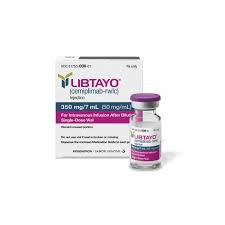
When used as adjuvant treatment for cutaneous squamous cell carcinoma with a high risk of recurrence, the administration of cimepilimab emphasizes "staged". A common regimen is 350 mg every 3 weeks for the first 12 weeks, followed by 700 mg every 6 weeks until 48 weeks or disease recurrence. Another regimen maintains a rhythm of 350mg every 3 weeks for up to 48 weeks. Both options need to be selected based on the patient's constitution, postoperative recovery and overall tolerance, and clinicians will develop a more personalized treatment rhythm accordingly.
For non-small cell lung cancer (NSCLC), 350mg is usually administered every 3 weeks. The usage principle is similar to other immunotherapy, that is, treatment is continued before the disease progresses or becomes intolerable. Since lung cancer patients often have a history of previous radiotherapy and chemotherapy, underlying lung diseases, etc., they need to pay more attention to changes in respiratory symptoms during medication.
In terms of precautions, patients need to pay special attention to immune-related adverse reactions, such as skin changes, fatigue, endocrine disorders, gastrointestinal discomfort, etc. Any abnormalities should be reported to the doctor in a timely manner. In addition, it is recommended to avoid arbitrarily adjusting the course of treatment, discontinuing medication or extending the interval during treatment, because immunotherapy relies on a stable dosing rhythm to maintain efficacy.
Reference materials:https://www.libtayohcp.com/
[ 免责声明 ] 本页面内容来自公开渠道(如FDA官网、Drugs官网、原研药厂官网等),仅供持有医疗专业资质的人员用于医学药学研究参考,不构成任何治疗建议或药品推荐。所涉药品可能未在中国大陆获批上市,不适用于中国境内销售和使用。如需治疗,请咨询正规医疗机构。本站不提供药品销售或代购服务。


