
.jpeg)
Trametinib (Megenin) discontinuation method and scientific process for safe discontinuation
Trametinib (Trametinib) is an oral small molecule MEK inhibitor, mainly used to treat BRAF V600 mutated advanced melanoma, as well as in clinical research on some other tumors. It blocks the proliferation and survival of tumor cells by inhibiting the activity of MEK protein in the MAPK/ERK signaling pathway. Long-term use of trametinib can significantly improve tumor burden and patient survival, but in some cases, such as completion of the treatment course, occurrence of intolerable side effects, or the need to combine other treatments, patients may need to safely discontinue the drug. Scientific and standardized drug discontinuation methods are crucial to avoid disease rebound, reduce side effects, and protect patients' quality of life.
First of all, discontinuation of trametinib must be done under the guidance of a professional doctor and should not be discontinued on your own. Before discontinuing medication, doctors usually formulate an individualized discontinuation plan based on the patient's tumor burden, efficacy evaluation, physical tolerance, hematological indicators and other comprehensive conditions. For example, for patients whose tumors have significantly shrunk and stabilized, consideration may be given to gradually reducing the dose and then discontinuing the drug, rather than stopping it suddenly, to reduce the risk of reactions or rapid disease progression that may be caused by a sudden drop in drug blood concentration.
In the withdrawal process, gradual tapering is a common strategy. The conventional dose of trametinib is 2 mg orally once daily. For patients who need to discontinue the drug, the dose can be reduced to 1 mg or 1.5 mg, and the patient's tolerance and tumor response are observed for one to two weeks, and then the dose can be further reduced until the drug is discontinued. During this process, doctors will closely monitor changes in blood pressure, liver and kidney function, blood routine, and adverse reactions such as rash and diarrhea. They will also pay attention to the patient's tumor indicators, such as imaging examinations, blood tumor markers, etc., in order to detect abnormalities in time and take measures.
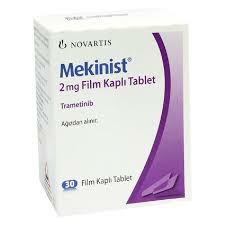
In addition, symptom management and life guidance are required during drug withdrawal. Long-term use of trametinib may cause skin reactions, cardiac dysfunction or eye toxicity. These adverse reactions may gradually alleviate after discontinuation of the drug, but patients still need to be reviewed regularly. Doctors may recommend oral or topical symptomatic medications, maintaining a healthy diet, adequate sleep, and moderate exercise to reduce physical discomfort during drug withdrawal. At the same time, patients need to record changes in symptoms, such as worsening of rash, obvious fatigue, or palpitations, and should report it to the doctor immediately to ensure safe discontinuation of medication.
Finally, long-term follow-up and efficacy monitoring after discontinuation of medication are also very important. After discontinuation of trametinib, the tumor may slowly relapse or progress, so it is usually recommended that patients undergo imaging examinations and necessary laboratory monitoring every 1-3 months. If there are signs of disease recurrence, you can consider restarting the medication or choosing other treatment options, such as BRAF inhibitors, immunotherapy or combination therapy, based on your doctor's advice. The scientific drug withdrawal process not only ensures patient safety, but also maximizes the duration of efficacy and improves quality of life.
In short, the safe discontinuation of trametinib needs to follow the principles of professional guidance, gradual reduction, monitoring indicators and long-term follow-up. Patients should not stop taking medication without authorization, and should maintain close communication with the medical team, scientifically manage side effects and living habits, and ensure that the withdrawal process is safe and controllable. Through standardized drug discontinuation strategies, adverse reactions can be reduced while maintaining stable efficacy, providing patients with a better and sustainable tumor management plan.
Reference materials:https://www.drugs.com/
[ 免责声明 ] 本页面内容来自公开渠道(如FDA官网、Drugs官网、原研药厂官网等),仅供持有医疗专业资质的人员用于医学药学研究参考,不构成任何治疗建议或药品推荐。所涉药品可能未在中国大陆获批上市,不适用于中国境内销售和使用。如需治疗,请咨询正规医疗机构。本站不提供药品销售或代购服务。


