
.jpeg)
Detailed instructions and medication guide for decavatinib
Deucravacitinib is an oral small molecule selective tyrosine kinase 2 (TYK2) inhibitor, mainly used to treat moderate to severe plaque psoriasis (plaque psoriasis) adult patients. The drug regulates the production of pro-inflammatory cytokines in the immune system by inhibiting the TYK2 activity in the JAK-STAT signaling pathway, thereby reducing skin inflammation and psoriasis symptoms. Compared with traditional broad-spectrum JAK inhibitors, deuterated coxitinib's high selectivity can reduce the inhibitory effect on other JAK pathways, thereby ensuring efficacy while improving drug safety.
In clinical application, deuterated colexitinib is suitable for adult psoriasis patients who have poor efficacy of local treatment or are intolerant to systemic treatment. Its mechanism of action is mainly to block IL-12, IL-23 and Type I interferon-related signals, reduce inflammatory cell infiltration and abnormal keratinocyte proliferation, thereby improving skin damage. Clinical trials have shown that deuterated colexitinib can significantly improve the improvement rate of psoriasis severity score (PASI), and obvious effects were observed within 12 to 16 weeks.
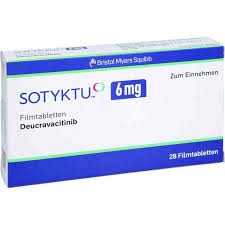
In terms of medication method, deuterated colexitinib is an oral tablet. The usual dosage is 6 mg once a day. It can be taken with food or on an empty stomach, but it is recommended to take it at a fixed time every day to maintain stable blood concentration. Patients should regularly review liver and kidney function, blood routine, and blood lipid indicators in the early stages of medication so that abnormalities can be detected in a timely manner and the medication regimen can be adjusted. For patients with moderate hepatic impairment, caution or dose adjustment is usually required; use should be avoided in patients with severe hepatic impairment.
In terms of safety, deuterated colexitinib is generally well tolerated, but common adverse reactions may still occur, such as upper respiratory tract infection, nasopharyngitis, mild diarrhea and headache. Rare but noteworthy risks include elevated blood lipids, mild liver enzyme elevations, and potential infection risk. Patients should closely monitor blood routine and liver function indicators while taking the drug, and seek medical treatment promptly if persistent abnormal symptoms occur. At the same time, concomitant use with other immunosuppressants or potent CYPenzyme inhibitors should be avoided to reduce the risk of drug interactions.
In addition, deuterated coxitinib has not yet been included in the medical insurance in some areas, and patients can purchase it through regular hospital pharmacies. For pregnant women and lactating women, there is still a lack of sufficient safety data, so they should be used with caution after weighing the pros and cons. Overall, deuterated colexitinib provides a safe and effective oral systemic treatment option for patients with moderate to severe plaque psoriasis through its highly selective TYK2 inhibition. It shows significant potential in improving skin symptoms and improving quality of life. At the same time, the medication must strictly follow doctor's guidance and regular monitoring programs to ensure efficacy and safety.
Reference materials:https://www.drugs.com/
[ 免责声明 ] 本页面内容来自公开渠道(如FDA官网、Drugs官网、原研药厂官网等),仅供持有医疗专业资质的人员用于医学药学研究参考,不构成任何治疗建议或药品推荐。所涉药品可能未在中国大陆获批上市,不适用于中国境内销售和使用。如需治疗,请咨询正规医疗机构。本站不提供药品销售或代购服务。


