
.jpeg)
Analysis of the efficacy of Shafinamide Tablets (Siddaco) and its clinical efficacy in Parkinson’s patients
Safinamide tablets (Safinamide) is an oral selective monoamine oxidase-B (MAO-B) inhibitor that simultaneously blocks sodium channels and modulates glutamate release. This unique dual action mechanism not only increases dopamine levels in the brain by inhibiting dopamine degradation, but also regulates the excessive release of glutamate, thereby improving motor and non-motor symptoms in patients with Parkinson’s disease (PD). Shafinine is often used in the combined treatment of patients with moderate to advanced Parkinson's disease, especially in patients whose efficacy of levodopa (levodopa) has weakened or who has "on-off" fluctuations. It can be used as an additive treatment drug.
From the clinical efficacy point of view, safinamide tablets can significantly improve motor function and extend the "power on" time. Multiple clinical studies have shown that adding safinamine to standard levodopa treatment can increase daily effective activity time (on-time) by approximately 1< /span>to2 hours while reducing motion fluctuations and "off-time" (off-time). In addition, safinamine also shows certain advantages in improving motor complications such as dyskinesia (dyskinesia). Especially for patients with mild to moderate dyskinesia caused by long-term use of levodopa, it can improve motor control without increasing the risk of dyskinesia.
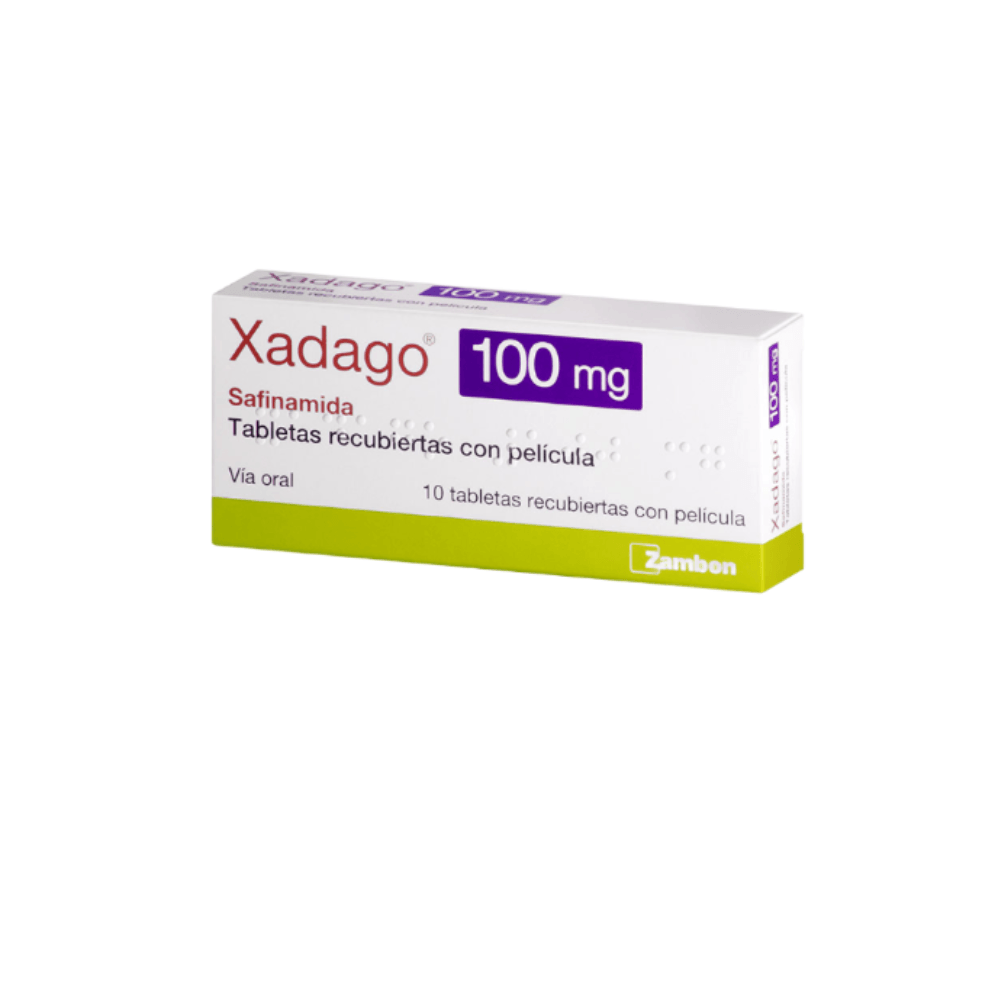
In addition to motor symptoms, safinamine also has clinical value in the management of non-motor symptoms. Studies have shown that some Parkinson's patients experienced improved mood stability, improved sleep quality and relief of pain symptoms after taking safinamine. This is related to its inhibition of excessive release of glutamate, which can reduce nerve excitability and relieve various symptoms caused by nerve damage. At the same time, the highly selective MAO-B inhibitory effect of safinamine makes it less likely to cause systemic side effects such as increased blood pressure and abnormal heart rate in single drug or combination therapy, and it has good safety.
In terms of usage instructions, safinamide tablets are usually taken orally once a day or in divided doses as recommended by your doctor. They can be taken with food to reduce gastrointestinal irritation. For patients with hepatic impairment, the dose should be adjusted appropriately, while patients with abnormal renal function usually do not need special adjustments. Common adverse reactions include mild insomnia, headache, nausea or blood pressure fluctuations. Most symptoms can be relieved by themselves or controlled through supportive treatment. It should be noted that when used in combination with other MAO inhibitors or drugs that can affect serum dopamine levels, medical advice should be strictly followed to avoid drug interactions and side effects caused by excessive serum dopamine levels.
Overall, the clinical application value of safinamide tablets in Parkinson's patients is mainly reflected in improving motor symptoms, prolonging effective activity time, reducing fluctuations, improving non-motor symptoms and good tolerance. Its unique dual mechanism of action and oral convenience make it an important choice for combination treatment of moderate to advanced Parkinson's disease. In clinical practice, through reasonable dose management, regular medication, and combined application with basic treatments such as levodopa, safinamide can significantly improve patients' quality of life and provide stable efficacy in controlling disease progression and improving symptoms.
Reference materials:https://www.drugs.com/
[ 免责声明 ] 本页面内容来自公开渠道(如FDA官网、Drugs官网、原研药厂官网等),仅供持有医疗专业资质的人员用于医学药学研究参考,不构成任何治疗建议或药品推荐。所涉药品可能未在中国大陆获批上市,不适用于中国境内销售和使用。如需治疗,请咨询正规医疗机构。本站不提供药品销售或代购服务。


