
.jpeg)
Possible adverse reactions of Pemetinib/Dabotan
Pemigatinib (Pemigatinib) is a small molecule inhibitor that targets the FGFR pathway and is used for diseases such as cholangiocarcinoma (CCA) related to specific gene mutations. What patients are most concerned about before using the drug is the possible adverse reactions of the drug. Generally speaking, its adverse reactions are different from traditional chemotherapy methods and are more "mechanism-related", and most of them can be managed through monitoring and intervention.
Skin reactions are more common, such as dryness, mild rash, keratosis, or sensitivity around the nails. This is because the FGFR pathway is involved in skin renewal, and its inhibition will affect the stratum corneum barrier. Staying moisturized, avoiding strong alkali cleansing, and reducing sun exposure can help improve most symptoms. Eye discomfort is also one of its characteristics, including blurred vision, photophobia, dryness, etc., which may appear in the early stages of medication. Regular eye examinations and the use of lubricating eye drops are required.
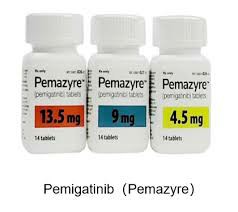
Gastrointestinal reactions such as loss of appetite, mild nausea or diarrhea can also affect the daily life of some patients. Proper diet and hydration usually provide relief. The most relevant mechanism of action of this drug is the increase in blood phosphorus, which is a metabolic characteristic caused by FGFR inhibition. It is not a rare phenomenon and needs to be adjusted through diet or medication.
In addition, reactions such as oral mucosal changes, slight hair loss, and joint discomfort occur in some people, but overall they are mostly controllable. Most overseas guidelines emphasize that the key to the management of pemetinib is not to "avoid side effects" but to "treat it as early as possible and maintain treatment continuity." If discomfort occurs that cannot be ignored, doctors usually maintain tolerance through dose adjustment, brief discontinuation, or symptomatic support.
Overall, the adverse reactions of pemetinib are well controllable. As long as regular monitoring, timely feedback, and follow-up plans are followed, most side effects can be controlled at an early stage, thereby achieving long-term stability of the treatment.
Reference materials:https://go.drugbank.com/drugs/DB15102
[ 免责声明 ] 本页面内容来自公开渠道(如FDA官网、Drugs官网、原研药厂官网等),仅供持有医疗专业资质的人员用于医学药学研究参考,不构成任何治疗建议或药品推荐。所涉药品可能未在中国大陆获批上市,不适用于中国境内销售和使用。如需治疗,请咨询正规医疗机构。本站不提供药品销售或代购服务。


