
.jpeg)
Does axitinib (Inlida) require long-term use and the risks of long-term use?
During long-term use of axitinib, patients need to receive regular monitoring and follow-up, including blood pressure, liver and kidney function, thyroid function and routine blood tests. The dose of the drug should be dynamically adjusted according to the patient's tolerance. Once obvious side effects occur, such as hypertension, proteinuria, stomatitis, rash, or hand-foot syndrome, the doctor should be reported promptly so that the dose can be adjusted or the drug can be temporarily discontinued. Standardized monitoring and management are key to ensuring both efficacy and safety in long-term treatment.
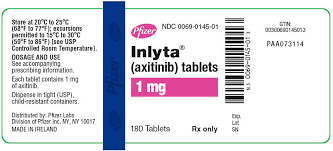
Overall, long-term use of axitinib is a necessary and effective treatment for most advanced patients, but both efficacy and safety must be taken into consideration. Patients should maintain good living habits, pay attention to a light diet, regular work and rest, and return for regular follow-up consultations so that the doctor can evaluate the treatment response. In the future, with the development of precision medicine, medication strategies targeting individual differences may further optimize long-term treatment effects, helping patients prolong their survival while improving their quality of life.
Reference: https://www.drugs.com/
[ 免责声明 ] 本页面内容来自公开渠道(如FDA官网、Drugs官网、原研药厂官网等),仅供持有医疗专业资质的人员用于医学药学研究参考,不构成任何治疗建议或药品推荐。所涉药品可能未在中国大陆获批上市,不适用于中国境内销售和使用。如需治疗,请咨询正规医疗机构。本站不提供药品销售或代购服务。


