
.jpeg)
Does Midostaurin need to be taken for life and what are the recommendations for long-term medication?
Midostaurin is a multi-target tyrosine kinase inhibitor mainly used to treat FLT3 mutation-positive acute myeloid leukemia (AML) and advanced systemic mastocytosis (SM). The drug blocks the proliferation and survival of tumor cells by inhibiting multiple signaling pathways such as FLT3 and KIT. Clinical studies have shown that midostaurin can significantly improve the remission rate and overall survival of AML patients, but whether it needs long-term or lifelong use depends on the specific condition.
For patients with acute myeloid leukemia, midostaurin is often used in combination with chemotherapy. The standard regimen is midostaurin taken orally during the induction chemotherapy and consolidation chemotherapy stages, 50 mg twice a day, and is not a lifelong treatment. If the patient subsequently receives a hematopoietic stem cell transplant or the disease reaches complete remission, treatment is generally discontinued or only short-term maintenance. If the disease recurs or residual disease appears, a decision will be made based on the mutation status whether to restart the therapy.
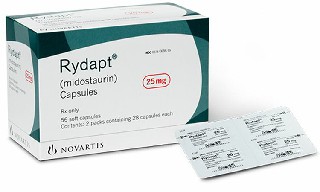
In patients with systemic mastocytosis, midostaurin may require long-term or even continuous treatment. Most of these diseases are chronic and progressive, and symptoms tend to recur after drug withdrawal. Studies have shown that long-term use can effectively control mast cell proliferation, reduce organ infiltration and improve quality of life. However, long-term medication requires regular monitoring of blood, liver function and electrocardiogram to prevent adverse reactions such as bone marrow suppression and QT prolongation.
In general, whether midostaurin needs to be taken long-term depends on the type of disease, maintenance of efficacy and individual tolerance. For AML patients, treatment is mostly staged; while SM patients may require continuous management. Patients should follow the doctor's advice for regular check-ups during the medication period, and do not stop taking the medication or extend the course of treatment on their own. Doctors will determine the most appropriate medication cycle based on a comprehensive evaluation of efficacy and safety to maximize treatment benefits while reducing long-term risks.
Reference materials:https://www.drugs.com/
[ 免责声明 ] 本页面内容来自公开渠道(如FDA官网、Drugs官网、原研药厂官网等),仅供持有医疗专业资质的人员用于医学药学研究参考,不构成任何治疗建议或药品推荐。所涉药品可能未在中国大陆获批上市,不适用于中国境内销售和使用。如需治疗,请咨询正规医疗机构。本站不提供药品销售或代购服务。


