
.jpeg)
How to safely adjust the dose of Valganciclovir in post-organ transplant infections
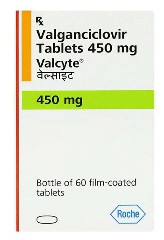
Valganciclovir (Valganciclovir) is an oral antiviral drug mainly used to prevent and treat cytomegalovirus (CMV) infection in organ transplant patients. It is converted into ganciclovir (Ganciclovir) in the body, inhibiting the activity of the virus's DNA polymerase, thereby blocking viral replication. In organ transplant patients, since immunosuppressive treatment may lead to increased viral susceptibility, reasonable adjustment of the dose of Vancevir is particularly important to ensure efficacy while reducing the risk of adverse reactions.
Dose adjustment first needs to be based on the patient's renal function. Vancevi is mainly excreted through the kidneys, and renal insufficiency may cause the drug to accumulate in the body, causing bone marrow suppression and other adverse reactions. Clinically, the dose is usually adjusted based on the glomerular filtration rate (eGFR): patients with mild to moderate renal impairment can appropriately reduce the dose or extend the dosing interval; patients with severe renal insufficiency or dialysis need strict individualized dosing under the guidance of a doctor, and close monitoring of blood drug concentration and blood image changes.
In terms of prevention and treatment strategies, organ transplant patients can be divided into high-risk, medium-risk and low-risk groups according to the risk of infection. High-risk patients (such as CMVnegative recipients receiving positive donor organs) are usually treated with standard doses of prophylaxis immediately after surgery, while low- and intermediate-risk patients can have doses dynamically adjusted based on risk assessment and serum CMV DNA monitoring results. When treating confirmed CMV infection, a full-dose regimen should be used, with necessary adjustments based on viral load and patient tolerance to ensure effective viral suppression.
In addition, blood count, liver and kidney function and CMV DNA load need to be monitored regularly during the medication period. Common adverse reactions include neutropenia, thrombocytopenia, anemia and gastrointestinal discomfort. If severe bone marrow suppression occurs, the drug should be stopped promptly or the dose should be reduced, and symptomatic treatment should be performed at the same time. In general, the dose adjustment of Vancevir in the prevention and treatment of infection after organ transplantation should take into account renal function, infection risk and blood drug monitoring results, and professional doctors should formulate individualized plans to minimize the risk of toxicity while ensuring efficacy.
Reference materials:https://www.drugs.com/
[ 免责声明 ] 本页面内容来自公开渠道(如FDA官网、Drugs官网、原研药厂官网等),仅供持有医疗专业资质的人员用于医学药学研究参考,不构成任何治疗建议或药品推荐。所涉药品可能未在中国大陆获批上市,不适用于中国境内销售和使用。如需治疗,请咨询正规医疗机构。本站不提供药品销售或代购服务。


