
.jpeg)
What are the common side effects of Tilorisen? Analysis of usage safety and precautions
Pitolisant (Pitolisant) is an oral selective histamineH3 receptor antagonist/ inverse agonist. It is mainly used to treat narcolepsy (narcolepsy) and related central nervous system abnormalities caused by excessive daytime sleepiness. By antagonizingH3autoreceptors, tilolixen increases the release of histamine in the central nervous system, thereby promoting wakefulness and maintenance of attention. Because its mechanism of action is different from traditional central nervous system stimulants, tilorisen shows significant efficacy in improving drowsiness symptoms and is well tolerated. However, certain adverse reactions may still occur and require reasonable monitoring and use.
Clinical studies have shown that common side effects of tilorisen include insomnia, headache, nausea, anxiety and mild gastrointestinal upset. Insomnia is one of the most commonly reported adverse reactions, mainly related to its pharmacological effect of promoting wakefulness, which is usually more obvious in the early stages of drug use. Headaches and mild gastrointestinal discomfort (such as abdominal pain, diarrhea or loss of appetite) are mostly mild to moderate. After a period of adaptation, the symptoms can be relieved by themselves or through symptomatic treatment. Anxiety or emotional stress may occasionally occur and should be monitored, especially in patients with underlying anxiety disorders.
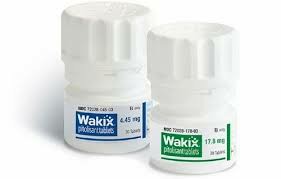
In terms of safety, tilorisen is generally well tolerated, and most adverse reactions are mild to moderate and controllable. Compared with traditional central stimulants, the risk of dependence and abuse is lower. However, patients with cardiovascular disease still need to be cautious, as a small number of patients may experience mild increases in heart rate or blood pressure fluctuations. Drug metabolism mainly relies on CYP3A4 and CYP2D6 enzymes. Therefore, when using potent enzyme inducers or inhibitors in combination, attention should be paid to blood drug concentration changes to avoid reduced efficacy or increased toxicity.
Precautions when using tilolixen include taking the medication regularly as directed by your doctor, usually once a day, and the dose should be adjusted individually based on the patient's condition and tolerance. Patients should avoid concurrent use of other central stimulants or drugs that affect CYP3A4/CYP2D6 metabolism to avoid increasing the risk of adverse reactions. For pregnant women, lactating women or those with severe liver and kidney dysfunction, they should be used under the guidance of a professional doctor after weighing the pros and cons. During treatment, it is recommended to regularly evaluate sleepiness symptoms, sleep quality, and cardiovascular indicators to ensure a balance between efficacy and safety.
In addition, patients should pay attention to lifestyle adjustments in the early stages of treatment, such as maintaining a regular schedule and avoiding excessive caffeine or alcohol intake at night to reduce insomnia and anxiety. If severe headache, persistent heart palpitations, obvious anxiety or mental symptoms occur, you should seek medical treatment promptly and the doctor will evaluate whether to adjust the dosage or suspend the medication. Overall, tilorisen can significantly improve the symptoms of narcolepsy through selective H3 receptor action. Common side effects are mostly mild to moderate and controllable. Combined with reasonable monitoring and individualized dose adjustment, its use is relatively safe and can provide patients with a long-term and effective solution to improve daytime wakefulness.
Reference materials:https://www.drugs.com/
[ 免责声明 ] 本页面内容来自公开渠道(如FDA官网、Drugs官网、原研药厂官网等),仅供持有医疗专业资质的人员用于医学药学研究参考,不构成任何治疗建议或药品推荐。所涉药品可能未在中国大陆获批上市,不适用于中国境内销售和使用。如需治疗,请咨询正规医疗机构。本站不提供药品销售或代购服务。


