
.jpeg)
Indications, usage, dosage and precautions of Zongatinib (Zongatinib)
Zongertinib (English name Zongertinib, trade name Hernexeos) is an oral small molecule tyrosine kinase inhibitor (TKI), developed by Boehringer Ingelheim, mainly for patients with Adult patients with advanced or metastatic non-squamous non-small cell lung cancer (NSCLC) with activating mutations in the HER2 (ERBB2) tyrosine kinase domain (TKD). 2025 In 8 months, FDA accelerated approval for "the treatment of patients who have previously received systemic therapy and whose tumors have been confirmed by FDA -approved testing methods to have HER2 TKD Adult patients with unresectable or metastatic non-squamous NSCLC with activating mutations.”
The main indication of Zongertinib is adults with unresectable or metastatic non-squamous NSCLC whose tumors are confirmed to have HER2 TKD activating mutations by FDA approved testing methods and have received at least first-line systemic therapy. This indication targets a patient population where treatment options have previously been limited, and oral HER2-targeted TKIs are almost lacking. Therefore, the launch of zongatinib provides these patients with a new and effective treatment option.
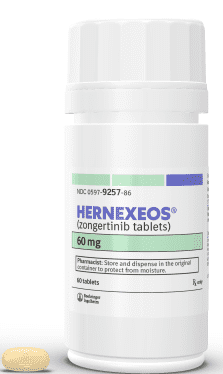
In terms of usage and dosage, zongatinib is divided into two levels according to the patient's weight: adults weighing less than 90 kg are recommended to take daily oral administration 120 mg; 90 kg Adults and above recommended daily oral administration 180 mg. The drug may be taken with or without food and continued until disease progression or intolerable toxicity occurs. Before taking the drug, it is necessary to confirm that the patient's tumor meets the HER2 TKD activating mutation criteria, usually through an FDA approved companion diagnostic test. If severe toxicity occurs during treatment, the dose can be adjusted or the drug temporarily discontinued under the guidance of a doctor.
In terms of safety, Zongertinib needs to pay attention to hepatotoxicity, left ventricular dysfunction, interstitial lung disease/Pneumonitis and embryo-fetal toxicity. Patients should have liver function, heart function and lung evaluation before treatment, and the above indicators need to be monitored regularly during treatment. If you have persistent cough, difficulty breathing, palpitations or abnormal liver function, you should seek medical treatment promptly. Because its metabolism involves CYP3A4/3A5 and UGT1A4, attention should be paid to drug interactions when using it. Patients should also undergo regular imaging evaluation, blood picture, and liver and kidney function monitoring during treatment to ensure efficacy and safety.
Overall, zongatinib, as an oral HER2 targeting TKI , has shown significant efficacy in HER2 mutated non-squamous NSCLC . Its oral administration, precise targeting, and relatively controllable side effects make it an effective treatment option for this type of patients. However, since global marketing is still in its early stages, patients need to fully evaluate the indications, drug risks, monitoring plans and economic costs before use, and develop an individualized treatment plan under the guidance of professional doctors to maximize efficacy and reduce risks.
Reference materials:https://www.drugs.com/
[ 免责声明 ] 本页面内容来自公开渠道(如FDA官网、Drugs官网、原研药厂官网等),仅供持有医疗专业资质的人员用于医学药学研究参考,不构成任何治疗建议或药品推荐。所涉药品可能未在中国大陆获批上市,不适用于中国境内销售和使用。如需治疗,请咨询正规医疗机构。本站不提供药品销售或代购服务。


