
.jpeg)
Copanlisib/ibrutinib data highlight potential of PI3K inhibition in R/R PCNSL
The BTK inhibitor ibrutinib/
However, the study was terminated early aftercopanlisib was voluntarily withdrawn from the U.S. market in 2023. The drug was previously used to treat patients with relapsed follicular lymphoma who had received at least two prior systemic therapies. Although the trial was terminated, results from the primary study (Phase 1b study) highlight the potential of combined inhibition of BTK and PI3K in the PCNSL population. The results from SNO showed that patients (n=18) who received ibrutinib and copanlised simultaneously—either consecutively (n=4) or concurrently (n=14)—had an overall response rate (ORR) of 56%. More specifically, the ORR was 57% for patients who received the drug combination simultaneously, compared with 50% for patients who received the drugs sequentially.
The pharmacokinetics (PK) of ibrutinib and copanlised were also monitored throughout the study. The study results showed that patients treated sequentially had higher ibrutinib plasma concentrations than those treated concurrently. In patients treated concurrently, copanlised concentrations in cerebrospinal fluid (CSF) and plasma exceeded the drug's known half-maximal inhibitory concentration; however, ibrutinib concentrations were lower than expected, prompting investigators to sequentially dose patients.
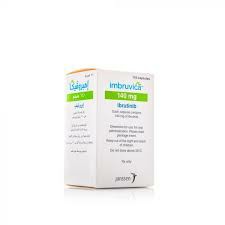
BTK inhibitor monotherapy has been shown to promote high radiation response rates in patients with PCNSL; however, this strategy is associated with short progression-free survival (PFS). She also explained that PCSNL appears to be dependent on activation of PI3K, along with activation of the BTK-mediated B-cell receptor signaling pathway. Therefore, combining a BTK inhibitor with a PI3K inhibitor may be a more comprehensive treatment approach for patients with PCNSL.
Dose escalationThe phase 1b trial is the first to evaluate the combination of ibrutinib and copanliside. The researchers recruited people who were at least 18-year-old patients with histologically documented PCNSL who have an ECOG performance status of 2 or less, a life expectancy of 3 months or longer, adequate bone marrow and organ function, and recovery from grade 1 toxicities from prior therapy. Patients with relapsed/refractory disease require at least 1 prior CNS-directed therapy.
Patients were not included in the trial if they had active concurrent malignancy requiring active treatment, were newly diagnosed with PCNSL eligible for standard methotrexate chemotherapyPatients with clinically significant cardiovascular disease were not included in the trial. The parallel arm uses a 3+3 design with 2 dose levels. At dose level 1, patients received 560 mg of ibrutinib plus 60 mg of copanliside intravenously daily on days 1, 8, and 15 of each 28-day cycle. 1 The second dose level evaluated ibrutinib 840 mg daily plus the same copanliside dose and schedule. Patients who received the continuous-dose combination also received 840 mg of ibrutinib daily in cycle 1, then 60 mg of copanliside on days 1, 8, and 15 of cycles 2 and 3, with this sequence reported every 3 cycles.
ORR and determination of the maximum tolerated dose of the combination were the primary endpoints of the trial. Secondary endpoints include safety/tolerability, progression-free survival, duration of response (DOR), overall survival (OS), and pharmacokinetic data. The median age of trial patients was 63 years (range, 40-80 years), the median ECOG performance status was 1, and the median number of previous treatment regimens was 2 (range, 1-10). In addition, 61% of patients failed to respond to treatment, and 33% had received ibrutinib.
Other data showed that the median progression-free survival of patients treated with ibrutinib and copanlised was 2.93 months and 3.65 months for patients treated sequentially (P=0.8048). Data on other secondary endpoints such as OS and DOR were not reported.
In terms of safety and tolerability, One patient developed grade 5 PCP pneumonia and therefore PCP prophylaxis was implemented. Eight non-dose-limiting toxic grade 4 adverse reactions (AEs) were reported, including increased alanine aminotransferase levels (11%), increased absolute lymphocyte count (11%), increased aspartate aminotransferase concentration (6%), decreased absolute neutrophil count (6%), decreased white blood cell count (5%), and rash (6%). Some of the most common adverse events reported in studies included hyperglycemia, decreased absolute neutrophil count, rash, and nausea. One patient developed grade 2 aspergillosis.
Reference materials:https://www.onclive.com/view/copanlisib-ibrutinib-data-highlight-potential-for-pi3k-inhibition-in-r-r-pcnsl
[ 免责声明 ] 本页面内容来自公开渠道(如FDA官网、Drugs官网、原研药厂官网等),仅供持有医疗专业资质的人员用于医学药学研究参考,不构成任何治疗建议或药品推荐。所涉药品可能未在中国大陆获批上市,不适用于中国境内销售和使用。如需治疗,请咨询正规医疗机构。本站不提供药品销售或代购服务。


