
.jpeg)
Analysis of how long it takes for Axitinib (Inlida) to take effect and the reasons for the difference in onset time
Axitinib (Axitinib) is an oral small molecule tyrosine kinase inhibitor (TKI), mainly used for targeted therapy of advanced renal cell carcinoma (RCC). Generally speaking, axitinib is rapidly absorbed into the patient's body and reaches its peak blood concentration approximately 2–5 u200bu200b hours after oral administration. Therefore, theoretically, the drug can begin to inhibit tumor angiogenesis in a short period of time. However, the actual clinical efficacy usually takes a certain amount of time to be realized.
Clinical trial data show that most patients begin to show signs of objective remission or disease stabilization after 1–3 months of treatment. In the AXIS trial, the median time to first response in patients with advanced renal cell carcinoma treated with axitinib was approximately 1.9 months, but complete response or significant tumor shrinkage often required 3–6 Months of continuous medication. Different patients' sensitivity to drugs and individual differences will lead to certain differences in the onset of effect.
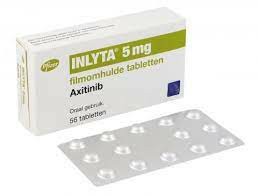
The reasons for the difference in onset of action mainly include drug metabolism rate, tumor burden and molecular characteristics. Axitinib is mainly metabolized by CYP3A4 , and differences in liver metabolism among different patients may affect the blood concentration and efficacy of the drug. In addition, the tumor's angiogenesis level, VEGFR expression and previous treatment history will also affect the speed of drug action. Patients with larger tumor burdens or active angiogenesis may take longer to see significant response.
In addition, the individual patient's concomitant medications, lifestyle habits, and medication compliance will also affect the onset of effect. For example, simultaneous use of CYP3A4 strong inhibitors or inducers may change the plasma concentration of axitinib and delay or accelerate the onset of efficacy. Taken together, although axitinib can reach blood concentration quickly, the clinical efficacy usually takes more than 1–3 months to be realized, and due to individual differences, tumor characteristics and medication factors, the onset of effect fluctuates to a certain extent.
Reference materials:https://www.drugs.com/
[ 免责声明 ] 本页面内容来自公开渠道(如FDA官网、Drugs官网、原研药厂官网等),仅供持有医疗专业资质的人员用于医学药学研究参考,不构成任何治疗建议或药品推荐。所涉药品可能未在中国大陆获批上市,不适用于中国境内销售和使用。如需治疗,请咨询正规医疗机构。本站不提供药品销售或代购服务。


