
.jpeg)
Detailed explanation of the official instructions for cobimetinib and medication safety precautions
Cobimetinib (Cobimetinib) is an oral small molecule MEK inhibitor, mainly used to treat BRAF V600 mutation-positive advanced or metastatic melanoma. As a targeted drug, cobimetinib inhibits the MEK1/2 downstream of the MAPK/ERK signaling pathway and blocks the proliferation and survival of tumor cells driven by BRAF mutations, thereby inhibiting tumor progression. In clinical practice, cobimetinib is often used in combination with BRAF inhibitors (such as Vemurafenib) to enhance efficacy and delay the development of resistance.
According to the official instructions, the standard usage of cobimetinib is oral administration once a day, with cyclic administration: 21 days of continuous administration and then 7 days of discontinuation, forming a 28 day cycle. Each dose is generally 60 mg, but it needs to be adjusted according to the patient's specific conditions, such as age, weight, liver and kidney function, and comorbid diseases. Patients should strictly follow the dosage and cycle under the guidance of a doctor and avoid increasing or decreasing the dosage on their own to prevent abnormal blood concentration or increase the risk of adverse reactions.
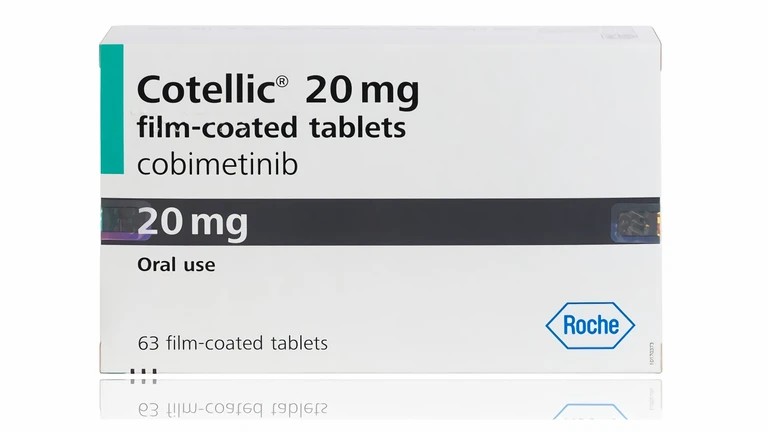
Common adverse reactions of cobimetinib include diarrhea, rash, fatigue, nausea, blurred vision and abnormal liver function. Serious adverse events such as cardiotoxicity (heart failure, slowed heart rate), interstitial lung disease, or ocular toxicity (central retinal fluid accumulation) may occur in a small number of patients. Therefore, blood routine, liver and kidney function, electrocardiogram and eye examination need to be monitored regularly during the medication period in order to detect and deal with adverse reactions early. If serious side effects occur, suspension or dose adjustment should be considered according to official guidelines.
In terms of drug safety, patients should pay attention to the following points: First, cobimetinib is highly dependent on liver function, and patients with liver damage need to use it with caution or reduce the dose; secondly, combined use of BRAFBRAFInhibitors can increase photosensitivity and skin toxicity, and patients should avoid prolonged sun exposure and take sun protection measures. Third, pregnant and lactating women should not use the drug because the drug may have adverse effects on the fetus or infant. Finally, patients should follow a regular diet and adequate fluid intake while taking the drug, and avoid discontinuing the drug on their own or combining it with other potentially hepatotoxic drugs to reduce risks.
In addition, the drug interactions of cobimetinib need to be paid attention to. It is metabolized by CYP3A, and co-administration with potent CYP3A inhibitors or inducers may affect blood concentration, thereby changing the efficacy or increasing the risk of adverse reactions. Therefore, patients should inform their doctor about all the medications they are taking, including prescription drugs, over-the-counter drugs, and herbal supplements, so that the medication regimen can be adjusted appropriately.
In summary, cobimetinib, as a therapeutic drug targeting MEK, plays an important role in the treatment of BRAF mutated melanoma, but the usage, dosage and monitoring requirements of the official instructions must be strictly followed. By standardizing dosing, regular monitoring of blood and liver and kidney function, cardiac and eye examinations, and preventing potential drug interactions, patients can maximize the anti-tumor efficacy of cobimetinib while reducing the occurrence of serious adverse events while ensuring safety.
Reference materials:https://www.drugs.com/
[ 免责声明 ] 本页面内容来自公开渠道(如FDA官网、Drugs官网、原研药厂官网等),仅供持有医疗专业资质的人员用于医学药学研究参考,不构成任何治疗建议或药品推荐。所涉药品可能未在中国大陆获批上市,不适用于中国境内销售和使用。如需治疗,请咨询正规医疗机构。本站不提供药品销售或代购服务。


