
.jpeg)
Conditions for medical insurance reimbursement of Entrectinib
Entrectinib (Entrectinib), as an innovative targeted drug, has been approved in the Chinese market and has entered the scope of medical insurance reimbursement. The drug's indications mainly include the treatment of solid tumors carrying neurotrophic tyrosine receptor kinase (NTRK) fusion genes, and patients with ROS1-positive locally advanced or metastatic non-small cell lung cancer (NSCLC). For patients who meet certain conditions, entrectinib can effectively reduce treatment costs through medical insurance and provide a wider range of treatment options.
The medical insurance reimbursement conditions for entrectinib mainly include the following points:
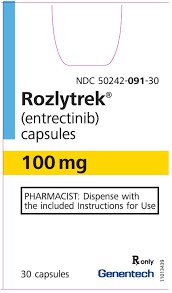
1. NTRK fusion gene-positive solid tumor patients: Medical insurance reimbursement is applicable to patients 12 years old and above. These patients need to be diagnosed with solid tumors carrying NTRK fusion genes through fully validated testing methods. Patients who meet this criteria typically have locally advanced, metastatic disease or patients for whom surgical resection would likely result in serious complications, or for whom previous treatments have failed and there are no satisfactory alternatives. The presence of NTRK fusion genes can cause tumor cells to proliferate uncontrollably in the body. Therefore, the targeting effect of entrectinib can significantly improve the prognosis of patients.
2. Patients with ROS1-positive non-small cell lung cancer (NSCLC): Entrectinib is also suitable for patients with ROS1-positive locally advanced or metastatic non-small cell lung cancer. For these patients, entrectinib provides a new treatment option, especially for those who have failed existing treatments. The emergence of ROS1 gene mutations means that lung cancer cells are abnormally activated by the ROS1 signaling pathway during their growth. Therefore, entrectinib can effectively inhibit the further spread of tumors by inhibiting this pathway.
In addition, medical insurance reimbursement for entrectinib also requires patients to follow relevant diagnostic standards when using the drug, and to use and monitor the drug in a medical institution. Doctors usually perform relevant genetic testing on patients to confirm whether they meet the treatment criteria for NTRK fusion gene positivity or ROS1 positivity.
Reference materials:https://www.roche.com/products/rozlytrek
[ 免责声明 ] 本页面内容来自公开渠道(如FDA官网、Drugs官网、原研药厂官网等),仅供持有医疗专业资质的人员用于医学药学研究参考,不构成任何治疗建议或药品推荐。所涉药品可能未在中国大陆获批上市,不适用于中国境内销售和使用。如需治疗,请咨询正规医疗机构。本站不提供药品销售或代购服务。


