
.jpeg)
Comprehensive comparison of the therapeutic effects of Anagrelide and interferon
Anagrelide and interferon are two drugs commonly used to treat myeloproliferative diseases. They have different effects and mechanisms in treatment and are suitable for different types of patients. Anagrelide is mainly used to treat essential thrombocythemia (ET) and other myeloproliferative diseases, while interferon is commonly used to treat chronic myelogenous leukemia (CML) and other specific types of leukemia. There are significant differences between the two in terms of therapeutic effects, drug mechanisms, side effects, etc.
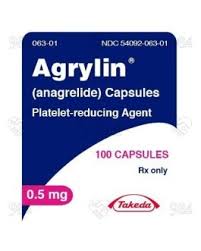
Anagrelide is a thrombocytopenic agent that selectively inhibits platelet production in the bone marrow. Its mechanism of action is mainly by inhibiting the maturation of bone marrow megakaryocytes, thereby reducing the production of platelets. In this way, anagrelide can effectively reduce platelet counts, thereby mitigating the risk of thrombosis caused by too many platelets. Compared with interferon, anagrelide has a relatively more direct effect. It acts directly on the process of platelet production, so its therapeutic effect is relatively rapid and does not depend on the patient's immune system. The side effects of anagrelide are relatively mild, but long-term use may cause heart-related problems, so heart function needs to be monitored under the guidance of a doctor.
Interferons are a class of drugs with immunomodulatory effects that are commonly used to treat certain types of leukemia, including chronic myelogenous leukemia (CML) and some myeloproliferative diseases. Interferon inhibits the proliferation of tumor cells by enhancing the function of the immune system and also has antiviral effects. In the treatment of myeloproliferative diseases, interferon mainly improves the hematopoietic function of bone marrow and promotes the production of normal hematopoietic cells, thereby reducing abnormal proliferation of cells. Interferon treatments are generally slower-acting and may take weeks or months to take effect, but their effects are long-lasting and may be more advantageous than anagrelide for some patients. The side effects of interferon include flu-like symptoms, liver function abnormalities, leukocyte and thrombocytopenia, etc. These side effects may affect the patient's quality of life, so they need to be used with caution.
Anagrelide is often considered the drug of choice when treating essential thrombocythemia (ET) and other related conditions, especially if the patient has a high platelet count. Anagrelide has the characteristics of rapid onset of action, which can quickly reduce the number of platelets and prevent thrombosis, thereby reducing the occurrence of related complications. However, the cardiac side effects of anagrelide are a factor to consider in some patients who require long-term treatment, especially those at risk for cardiovascular disease. At this point, the doctor may recommend other medications or regularly monitor the patient's heart health.
In contrast, interferon is an immunomodulatory drug that is suitable for the treatment of chronic myelogenous leukemia (CML) and certain myeloproliferative diseases, especially those requiring long-term immune support. Interferon not only inhibits the proliferation of abnormal cells, but also strengthens the patient's immune system and prevents the spread of leukemia cells. Although the therapeutic effect of interferon is slow, its long-term effects are significant, especially in controlling disease recurrence. The side effects of interferon are complex and may include flu-like symptoms, weight changes, mood swings, etc. These side effects may affect the patient's quality of life and require closer monitoring by the patient.
Reference materials:https://go.drugbank.com/drugs/DB00261
[ 免责声明 ] 本页面内容来自公开渠道(如FDA官网、Drugs官网、原研药厂官网等),仅供持有医疗专业资质的人员用于医学药学研究参考,不构成任何治疗建议或药品推荐。所涉药品可能未在中国大陆获批上市,不适用于中国境内销售和使用。如需治疗,请咨询正规医疗机构。本站不提供药品销售或代购服务。


