
.jpeg)
Trametinib (Megenin) adverse reaction prevention strategies and daily care suggestions
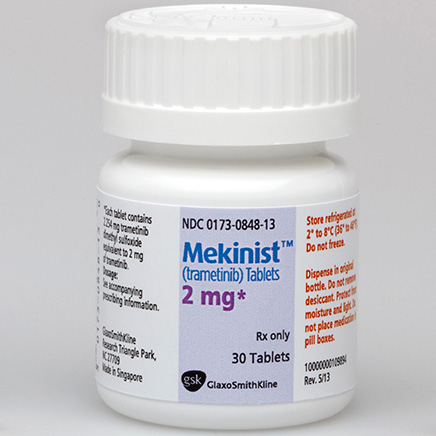
Trametinib is a highly effective oral selective MEK inhibitor that is often used in combination with dabrafenib to treat BRAF V600 mutant melanoma, thyroid cancer and some non-small cell lung cancer. The drug inhibits the proliferation and metastasis of tumor cells by blocking the MAPK signaling pathway, and has shown significant efficacy in prolonging the survival of patients. However, like most targeted drugs, trametinib may also cause a series of adverse reactions during treatment. Proper preventive strategies and daily care are critical to ensuring patients successfully complete treatment.
First of all, from clinical observation, common adverse reactions of trametinib include rash, diarrhea, fatigue, edema, abnormal cardiac function, and changes in vision. Among them, skin adverse reactions are the most common, usually manifesting as rash, dryness, itching or acneiform dermatitis. This type of reaction is related to abnormal epithelial cell renewal caused by inhibition of the MEK pathway. To reduce such adverse reactions, patients are advised to keep their skin clean and moisturized before and after medication, and avoid using harsh cleaning products. Use a fragrance-free moisturizer or petroleum jelly ointment as part of your daily care routine to maintain skin barrier function. If a mild to moderate rash occurs, topical glucocorticoid ointment or oral antihistamines can be used under the guidance of a doctor; if the rash is severe, the medication should be suspended and timely medical attention should be sought.
Secondly, gastrointestinal reactions are also an issue that needs to be paid attention to when using trametinib. Patients may experience loss of appetite, nausea, vomiting, or diarrhea. To reduce discomfort, patients are advised to take medication after meals and maintain a light diet, avoid greasy and spicy foods, and drink appropriate fluids to prevent dehydration. If diarrhea is frequent, you can take antidiarrheal drugs such as loperamide under the guidance of a doctor. If persistent vomiting or significant weight loss occurs, you should contact your doctor promptly to adjust the dosage or combine antiemetic treatment. In addition, trametinib has a certain impact on cardiac function, and some patients may experience decreased left ventricular ejection fraction or heart failure. A baseline cardiac color ultrasound should be performed before treatment, and cardiac function should be reviewed regularly during treatment. Once symptoms such as chest tightness, shortness of breath, or lower limb edema occur, the doctor should be reported immediately to avoid worsening of the condition.
In addition, trametinib may also affect eye health, with some patients experiencing rare adverse reactions such as blurred vision or retinal vein occlusion. For this reason, it is recommended to conduct a visual acuity and fundus examination before treatment. If blurred vision, flashing lights, or visual field defects occur during treatment, the drug should be discontinued immediately and an ophthalmological evaluation should be performed. Patients should avoid long-term use of electronic products and bright light stimulation while taking the medicine, and maintain adequate sleep to help reduce eye burden. At the same time, trametinib can also cause body fluid retention, limb edema and mild hypertension. Daily exercise should be moderate, salt intake should be controlled, and blood pressure and weight changes should be monitored regularly.
Generally speaking, most of the adverse reactions of trametinib are reversible and can be effectively prevented and controlled through standardized monitoring and care. It is recommended that patients maintain good living habits during the treatment period, maintain a regular schedule, eat a balanced diet, and avoid overexertion. Regular review of blood routine, liver and kidney function, cardiac function and eye examination are important links to ensure safe medication use. At the same time, a close communication mechanism with doctors should be established. When adverse reactions occur, do not stop taking the medication or adjust the dosage on your own. Instead, scientific management should be carried out according to the doctor's guidance. Through reasonable preventive strategies and systematic daily care, patients can not only improve drug tolerance, but also maximize the therapeutic effect of trametinib and improve the overall quality of life.
Reference materials:https://www.drugs.com/
[ 免责声明 ] 本页面内容来自公开渠道(如FDA官网、Drugs官网、原研药厂官网等),仅供持有医疗专业资质的人员用于医学药学研究参考,不构成任何治疗建议或药品推荐。所涉药品可能未在中国大陆获批上市,不适用于中国境内销售和使用。如需治疗,请咨询正规医疗机构。本站不提供药品销售或代购服务。


