
.jpeg)
Does the dosage of Valganciclovir need to be adjusted in elderly patients and what precautions should be taken
Elderly patients need to pay special attention to dose adjustment when using Valganciclovir (Valganciclovir). This drug is an antiviral drug, mainly used to treat and prevent cytomegalovirus (CMV) infection, which is especially common in organ transplant patients and people with low immune function. Since valganciclovir needs to be metabolized by the kidneys into the active form of ganciclovir (Ganciclovir) in the body, and the elderly population generally has physiological characteristics of reduced renal function, its clearance rate will decrease. If the dose is not adjusted, it will easily lead to accumulation of the drug in the body, increasing the risk of bone marrow suppression, nephrotoxicity or neurological adverse reactions.
Clinically, the dose of valganciclovir in elderly patients should be individually adjusted based on glomerular filtration rate (eGFR) or creatinine clearance (CrCl). Generally speaking, when renal function is normal, it can be administered at a standard dose. For example, the therapeutic dose is 900 mg twice a day. If renal function declines, the dose should be appropriately reduced or the dosing interval should be extended according to specific indicators. Doctors usually perform a serum creatinine test before taking medication to assess the level of kidney function and develop an appropriate plan accordingly. In addition, renal function and hematological indicators need to be monitored regularly during treatment to avoid toxic side effects caused by drug accumulation.
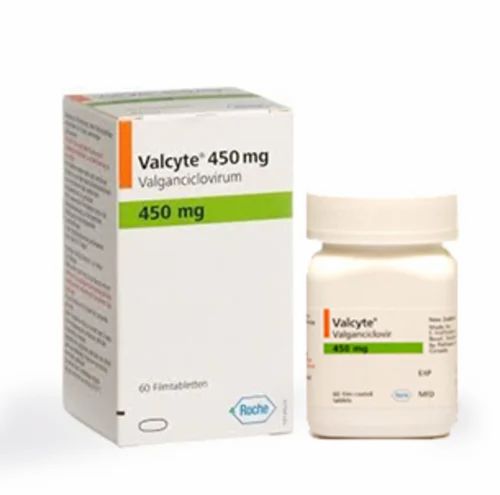
While taking valganciclovir, elderly patients should also pay attention to taking other drugs that may affect renal function, such as non-steroidal anti-inflammatory drugs (NSAIDs), cyclosporine, aminoglycoside antibiotics, etc., because the combination of these drugs with valganciclovir may cause further damage to renal function. In addition, elderly patients have lower tolerance to drugs due to reduced metabolic capacity. If symptoms such as abnormal fatigue, bleeding tendency, dizziness, and disturbance of consciousness occur, they should stop taking the drug and seek medical treatment in time.
All in all, the elderly must strictly follow the doctor's instructions when using Vancevi to adjust the dosage and avoid overdosing. Standardized dosage management and regular renal function monitoring are the keys to ensuring medication safety. At the same time, family members should help elderly patients establish good medication records to prevent missed or repeated medication. Through reasonable dose adjustment and monitoring, Vancevi can still achieve good antiviral efficacy in elderly patients and minimize the risk of side effects.
Reference materials:https://www.drugs.com/
xa0
[ 免责声明 ] 本页面内容来自公开渠道(如FDA官网、Drugs官网、原研药厂官网等),仅供持有医疗专业资质的人员用于医学药学研究参考,不构成任何治疗建议或药品推荐。所涉药品可能未在中国大陆获批上市,不适用于中国境内销售和使用。如需治疗,请咨询正规医疗机构。本站不提供药品销售或代购服务。


