
.jpeg)
Reasons for facial edema after taking Shafinamide Tablets (Siddaco) for three days and medication safety tips
Facial swelling after taking safinamide tablets (Siddac, Safinamide) may be related to the drug's effect on body fluid balance and vascular permeability. Safinamine mainly improves dopaminergic nerve function in patients with Parkinson's disease by reversibly and selectively inhibiting monoamine oxidaseB (MAO-B) and regulating the activity of sodium channels and calcium channels. However, such drugs sometimes cause slight water and sodium retention or changes in vascular permeability in patients with large individual differences, leading to edema of the face, hands, feet, or lower limbs, especially within a few days of starting to take the drug.
When edema occurs, you should first confirm whether it is related to other factors, such as a high-salt diet, underlying heart or kidney disease, and the combination of other drugs (such as calcium channel blockers or glucocorticoids). If the edema is mild and there are no symptoms such as dyspnea, chest tightness, or elevated blood pressure, you can usually continue to observe and record the medication time and changes in the edema site. For initial mild edema, proper control of salt intake, ensuring adequate sleep, and sleeping with the head elevated may alleviate symptoms.
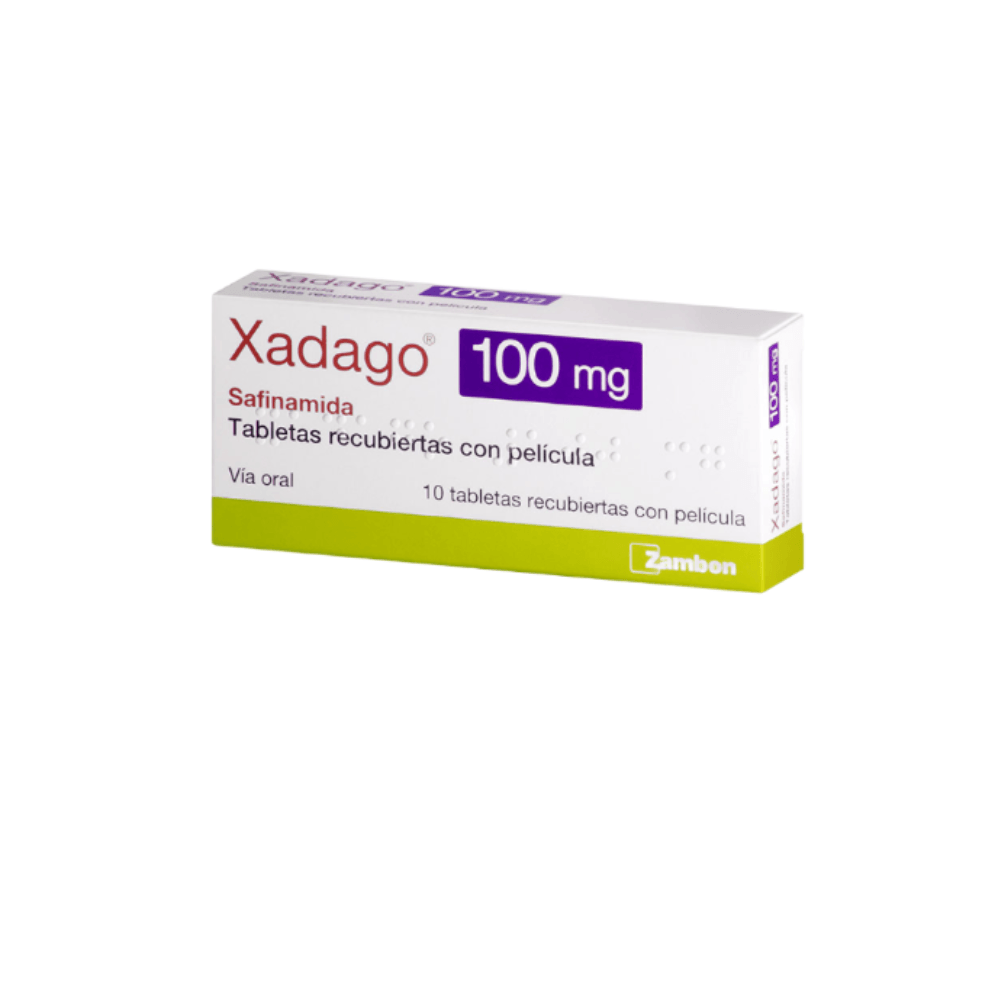
If facial edema is obvious or is accompanied by general edema, difficulty breathing, palpitations, abnormal blood pressure, etc., you should seek medical treatment immediately and inform the doctor of your medication history. Your doctor may evaluate whether the dose of safinamine needs to be adjusted or temporarily discontinued, and the patient may be tested for heart or kidney function or other underlying conditions. At the same time, regular monitoring of weight, blood pressure and kidney function can help to detect and deal with drug-related adverse reactions early and ensure drug safety.
In general, facial swelling caused by safinamine tablets is mostly mild and reversible, but it still requires attention. During the medication period, patients should maintain regular medication, pay attention to lifestyle intervention, avoid high-salt diet and overexertion, and consult a doctor promptly if abnormal reactions occur. Correct monitoring and management can ensure the control of Parkinson's disease symptoms while minimizing the risk of adverse reactions such as edema and ensuring the safety and effectiveness of treatment.
Reference materials:https://www.drugs.com/
[ 免责声明 ] 本页面内容来自公开渠道(如FDA官网、Drugs官网、原研药厂官网等),仅供持有医疗专业资质的人员用于医学药学研究参考,不构成任何治疗建议或药品推荐。所涉药品可能未在中国大陆获批上市,不适用于中国境内销售和使用。如需治疗,请咨询正规医疗机构。本站不提供药品销售或代购服务。


