
.jpeg)
Treating cancer patients with cobimetinib adds an average of several years to their lives
Cobimetinib is an oral small molecule MEK inhibitor, mainly used for combined treatment with BRAF inhibitors (such as vemurafenib, Vemurafenib)BRAF V600mutation-positive patients with advanced melanoma. As a targeted therapy drug, cobimetinib blocks cancer cell proliferation signals by inhibiting the key MEK enzyme activity in the MAPK/ERK signaling pathway, thereby slowing or preventing tumor growth. Regarding the specific situation of this drug prolonging the survival of cancer patients, it needs to be analyzed based on clinical trial data, individual patient differences, and the background of combined treatment.
In pivotal clinical trials, cobimetinib combined with vemurafenib showed significant efficacy in patients with advanced melanoma. Take the COLUMBUS study as an example. This is a randomized, controlled, multicenter III phase clinical trial that included patients with BRAF V600 mutated advanced melanoma. The study results showed that the median progression-free survival (PFS) of patients treated with cobimetinib combined with vemurafenib was 12.3 months, while the median PFS of the vemurafenib alone group was 7.2 months. This means that combination therapy can significantly prolong the stable period of the disease, inhibit tumor progression, and delay disease progression.
In terms of overall survival (OS), the combined regimen also showed advantages. The long-term follow-up data of the COLUMBUS study showed that the median overall survival was extended to approximately 33.6 months, compared with B alone The combined use of cobimetinib and RAF inhibitors can prolong the survival time of patients by approximately 7-8 months. It should be noted that the prolongation time here is a statistical average, and the prolongation effect of different patients may vary in actual clinical practice. Younger patients, those with lower tumor burdens, and those without damage to vital organ function usually have a more significant prolongation of survival, while patients with severe comorbidities or those who have failed multiple previous chemotherapy treatments may have a smaller prolongation.
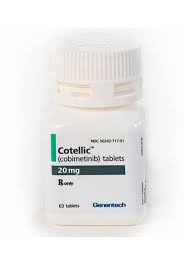
The survival prolonging effect of cobimetinib is not only reflected in overall survival, but also in disease control rate (DCR) and response rate (ORR) on. Clinical data shows that the disease control rate of the combination treatment group can reach more than 85%, and some patients have partial or complete tumor remission, improving their quality of life. While extending lifespan, drug safety management is crucial. Common adverse reactions include diarrhea, rash, eye inflammation, elevated liver enzymes, and musculoskeletal pain. Most adverse reactions are controllable and can be alleviated through dose adjustment, symptomatic treatment, or temporary discontinuation of medication. During long-term use, patients need to regularly monitor heart function, liver and kidney function and blood routine to reduce the impact of potential risks on the overall efficacy.
For patients with other BRAF V600 mutation-related solid tumors, such as thyroid cancer, colorectal cancer and non-small cell lung cancer, research on cobimetinib combined with BRAF inhibitors is also ongoing. Early data indicate that tumor control and survival benefits can also be obtained in some indications, but due to the small patient sample size, specific life-extending data are not yet fully mature. Therefore, the current effect of cobimetinib combined with a BRAF inhibitor in extending lifespan by approximately 7-8 months in advanced melanoma is based on reliable statistical data from high-quality phase III clinical trials.
Overall, cobimetinib has shown a significant prolongation of survival in patients with targeted therapyBRAF V600 mutated advanced melanoma. By inhibiting the MEK signaling pathway, combining BRAF inhibitors can improve the disease remission and control rate, prolong the patient's life by about half a year to about a year on average, and improve the quality of life. Individual differences, disease stage, previous treatment history, and comorbid conditions will all affect specific efficacy, so individualized evaluation and close monitoring are required during use. As clinical data for more indications are released in the future, the role of cobimetinib in prolonging patient survival may be further confirmed and expanded.
Reference materials:https://www.drugs.com/
[ 免责声明 ] 本页面内容来自公开渠道(如FDA官网、Drugs官网、原研药厂官网等),仅供持有医疗专业资质的人员用于医学药学研究参考,不构成任何治疗建议或药品推荐。所涉药品可能未在中国大陆获批上市,不适用于中国境内销售和使用。如需治疗,请咨询正规医疗机构。本站不提供药品销售或代购服务。


