
.jpeg)
Key points to note before using Evantumumab/Carestream
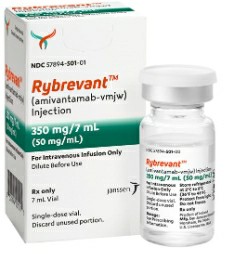
Amivantamab is a targeted therapy drug mainly used to treat non-small cell lung cancer (NSCLC) with EGFR mutation or c-MET amplification. As a monoclonal antibody, Carestream fights the growth of cancer cells through a dual-targeting mechanism and has demonstrated significant clinical efficacy. However, like all anti-cancer drugs, the use of Carestream comes with a certain risk of side effects, so patients and doctors need to be fully aware of some key precautions before using it.
1. Infusion related reaction (IRR)
Infusion-related reactions (IRR) are one of the most common side effects of evantumumab, especially during the first treatment. Common symptoms include fever, chills, nausea, vomiting, headache and low blood pressure. These reactions often occur early in the drug infusion, so monitoring the patient's response is critical.
During the infusion process, ifIRR occurs, the infusion should be interrupted immediately and treated according to the severity of the symptoms. For mild IRR reactions, the infusion rate can be reduced and treatment continued. For severe reactions, such as shortness of breath or sudden drop in blood pressure, the infusion needs to be stopped and treated symptomatically. In addition, patients should be closely monitored for 24 hours after the infusion to ensure that reactions are effectively controlled.
In some cases, ifIRR reactions persist or worsen, doctors may consider permanently discontinuing the drug. Therefore, before using Carestream, patients should inform their doctor in detail about their past drug allergies or whether they have experienced similar infusion reactions.
2. Interstitial lung disease (ILD)/pneumonia
Another major caution with evantumumab is the potential for interstitial lung disease (ILD) or pneumonia. These adverse pulmonary reactions can cause symptoms such as difficulty breathing, coughing, and fever, and may be life-threatening in severe cases. Because the symptoms of ILD are similar to other respiratory diseases, early identification and intervention are particularly important.
During treatment, doctors should regularly monitor patients' lung function, especially those with preexisting lung disease or a history of smoking. For patients with symptoms of ILD or pneumonia, the use of the drug should be suspended immediately and further examination should be performed to confirm whether it is ILD or pneumonia. If ILD or pneumonia is diagnosed, patients should permanently discontinue Carestream and receive appropriate treatment as recommended by their physician.
3. Venous thromboembolism (VTE) events
The use of evantuzumab may increase the risk of thrombotic events when used in combination with other drugs, especially withLazertinib. Venous thromboembolism (VTE) events may manifest as deep vein thrombosis, pulmonary embolism, etc., and in severe cases may lead to organ damage or fatal consequences.
For this reason, prophylactic anticoagulation is recommended within the first four months of starting combination therapy to reduce the risk of thrombosis. During treatment, patients should monitor their physical signs regularly, paying particular attention to early symptoms of blood clots such as chest pain, shortness of breath, and lower limb swelling. If these symptoms occur, you should seek medical attention promptly and discontinue Carestream and Lanzitinib for treatment.
For patients receiving anticoagulation therapy, doctors can decide whether to continue using the drug based on the patient's actual condition. If a patient develops recurrent VTE despite anticoagulant therapy, Carestream should be permanently discontinued, but lanzitinib may be continued.
4. Adverse skin reactions
Adverse skin reactions may occur during use of evantumumab, including dermatitis acneiformis and more severe forms of toxic epidermal necrolysis. These skin symptoms can lead to redness, swelling, peeling, and even large areas of blisters. Especially in the early stages of treatment, skin adverse reactions are more common, so patients need to be aware of this risk before treatment.
During the use of the drug, doctors should conduct regular skin examinations on patients and immediately assess the severity of symptoms if a rash or skin lesion is found. For mild rashes, your doctor may recommend topical medications or adjusting the dosage; for severe skin reactions, the medication may need to be discontinued and treated. In some extreme cases, if the skin reaction is life-threatening, doctors may consider permanently discontinuing the drug.
5. Ocular toxicity
Ocular toxicity is another issue that requires special attention when using evantumumab. Ocular adverse reactions may manifest as blurred vision, dry eyes, or pain, and may even lead to retinopathy. If patients experience worsening of eye symptoms, they should be immediately referred to an ophthalmologist for professional diagnosis and treatment.
When some serious eye adverse reactions occur, doctors may suspend drug treatment, adjust the dose, or even consider permanently discontinuing the drug. Therefore, patients should be fully informed of this risk before initiating treatment and remain alert to eye symptoms during treatment.
6. Fetotoxicity
Evantumumab is potentially fetotoxic, meaning it may cause harm to the fetus. Therefore, during treatment, doctors should inform patients of the fetal risks of this drug and strongly recommend that patients take effective contraceptive measures during treatment. Female patients should avoid becoming pregnant while taking evantumumab. If the patient becomes pregnant, the drug must be stopped immediately and the doctor consulted about the treatment plan.
Reference materials:https://www.rybrevant.com/
[ 免责声明 ] 本页面内容来自公开渠道(如FDA官网、Drugs官网、原研药厂官网等),仅供持有医疗专业资质的人员用于医学药学研究参考,不构成任何治疗建议或药品推荐。所涉药品可能未在中国大陆获批上市,不适用于中国境内销售和使用。如需治疗,请咨询正规医疗机构。本站不提供药品销售或代购服务。


