
.jpeg)
Dosage and usage of Lisocabtagene maraleucel
Lisocabtagene maraleucel (Lisocabtagene maraleucel) is a chimeric antigen receptor (CAR) T-cell therapy specifically targeting B-cell-related cancers (non-Hodgkin lymphoma) . Its dosage and usage must follow specific guidelines to ensure the safety and effectiveness of the treatment. It is important to note that lisocabeta root is restricted to autologous use and is only administered intravenously.
Prior to treatment, health care providers need to confirm the availability of lisocabeta root and ensure the feasibility of the treatment plan before starting lymphodepleting chemotherapy. Regarding the actual number and volume of cells infused, the infusion release certificate (RFI certificate) for each component should be consulted.
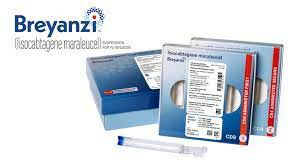
For patients with large B-cell lymphoma (LBCL), the recommended dose after first-line therapy is 90 to 110 × 10^6 CAR-positive viable T cells, which are composed of CD8 and CD4 components in a 1:1 ratio and are usually packaged in 1 to 4 single-dose vials. In patients receiving second or multiple lines of therapy, the recommended dose is 50 to 110 × 10^6 CAR-positive live T cells.
For patients with other types of blood tumors, such as chronic lymphocytic leukemia (CLL), small lymphocytic lymphoma (SLL), follicular lymphoma (FL), mantle cell lymphoma (MC) L) and marginal zone lymphoma (MZL), the same recommended dose is 90 to 110 × 10^6 CAR-positive live T cells, and these cells are also composed of CD8 and CD4 components in a 1:1 ratio and are packaged in 1 to 4 single-dose vials.
In certain circumstances, lisocabetagen infusion should be delayed if the patient has unresolved serious adverse events, active uncontrolled infection, or active graft-versus-host disease (GVHD) from previous chemotherapy. This measure is intended to reduce potential risks and ensure patient safety.
In short, the dosage and usage of lisocabeta root need to be strictly in accordance with clinical guidance to adapt to the needs of different patients and maximize the therapeutic effect. Medical staff should fully assess the patient's overall condition when implementing treatment and make individualized adjustments according to the specific situation to ensure the success of the treatment.
Reference materials:https://www.breyanzi.com/
[ 免责声明 ] 本页面内容来自公开渠道(如FDA官网、Drugs官网、原研药厂官网等),仅供持有医疗专业资质的人员用于医学药学研究参考,不构成任何治疗建议或药品推荐。所涉药品可能未在中国大陆获批上市,不适用于中国境内销售和使用。如需治疗,请咨询正规医疗机构。本站不提供药品销售或代购服务。


