
.jpeg)
What is the effect of PD-1 combined with sorafenib/Nexavar in the treatment of liver cancer?
Hepatocellular carcinoma is a common malignant tumor with a high fatality rate. In recent years, with the development of immunotherapy, the combined use of PD-1 inhibitors (such as Nivolumab and Pembrolizumab) with traditional treatments has become an important direction in the treatment of liver cancer. PD-1 inhibitors can enhance the patient's immune response and help the immune system recognize and attack cancer cells. When PD-1 inhibitors are combined with Sorafenib (Sorafenib), the treatment effect can be significantly improved, especially in patients with advanced or metastatic liver cancer.
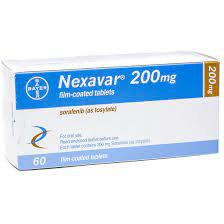
Sorafenib, as a targeted drug, has become one of the standard treatments for liver cancer by inhibiting the proliferation of tumor cells and the formation of tumor blood vessels. However, despite its remarkable efficacy, many liver cancer patients still develop drug resistance after receiving sorafenib alone. Therefore, combining immunotherapy with targeted therapy has become a new treatment strategy.
The mechanism of action of PD-1 inhibitors is to activate T cell function by blocking the binding of PD-1 receptors and their ligands, thereby enhancing the immune system's recognition and elimination of tumors. When used in combination with sorafenib, PD-1 inhibitors can further enhance the immune response, help treat patients with drug-resistant liver cancer, prolong progression-free survival (PFS) and improve overall survival (OS). At the same time, combined therapy may also reduce the tumor burden of some patients and control the expansion and metastasis of liver cancer.
However, combination therapy may also bring some challenges, including immune-related adverse reactions (such as rash, abnormal liver function, endocrine disorders, etc.). Therefore, patients need to be closely monitored during treatment to detect and deal with immune-related side effects in a timely manner.
Taken together,The treatment regimen of PD-1 inhibitor combined with sorafenib provides a new treatment option for liver cancer patients, especially for those patients with advanced liver cancer who have failed previous treatments, and its prospects are very broad.
Reference materials:https://www.nexavar.com/
[ 免责声明 ] 本页面内容来自公开渠道(如FDA官网、Drugs官网、原研药厂官网等),仅供持有医疗专业资质的人员用于医学药学研究参考,不构成任何治疗建议或药品推荐。所涉药品可能未在中国大陆获批上市,不适用于中国境内销售和使用。如需治疗,请咨询正规医疗机构。本站不提供药品销售或代购服务。


