
.jpeg)
Is Erdafitinib/Bocco effective in treating bladder cancer?
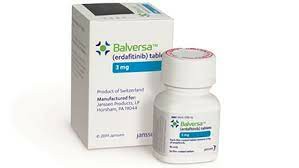
Erdafitinib (Erdafitinib) is a targeted drug mainly used to treat bladder cancer patients with FGFR gene mutations or rearrangements, especially those whose disease cannot be effectively controlled after traditional treatments (such as chemotherapy and immunotherapy). As a fibroblast growth factor receptor inhibitor, erdafitinib inhibits the growth and spread of cancer cells by inhibiting the excessive activation of the FGFR signaling pathway. The core of this treatment strategy is to precisely target the genetic mutations of cancer cells to reduce damage to normal cells, thereby improving the specificity and efficacy of treatment.
The efficacy of erdafitinib has been verified in multiple clinical studies, especially in the treatment of bladder cancer. Erdafitinib (trade name Balversa) showed significant efficacy in treating urothelial cancer, specifically bladder cancer, according to a pivotal study. The study looked at patients with bladder cancer with FGFR3 gene alterations whose disease progressed or became inoperable despite at least one or two conventional treatments, such as immunotherapy or chemotherapy. In this study, the median survival time of 136 patients who received erdafitinib reached 12.1 months, which was significantly better than the control group of patients who received chemotherapy drugs such as docetaxel or vinflunine during the same period, with an average survival time of 7.8 months.
In addition, another significant advantage of erdafitinib is the remission period after treatment. The study found that patients treated with erdafitinib had a median response time of 5.6 months before their condition worsened, compared with only 2.7 months in the control group. This gap shows that erdafitinib has obvious advantages in delaying disease progression and prolonging patient survival. The emergence of this effect is partly due to the ability of erdafitinib to precisely inhibit the growth of tumors caused by FGFR gene mutations, thus improving the effectiveness of treatment.
Although the efficacy of erdafitinib has been proven, it should be noted that patients still need to be vigilant about its side effects and drug resistance when receiving this treatment. Like other targeted drugs, erdafitinib may also cause some adverse reactions, such as hyperphosphatemia, ocular toxicity, and skin reactions. In order to ensure the safety of treatment, patients need to regularly monitor relevant biochemical indicators while receiving treatment, and detect and deal with possible side effects in a timely manner.
In general, erdafitinib, as a targeted drug for the treatment of bladder cancer, has shown significant efficacy, especially in patients who have failed to respond to traditional treatments. It can effectively extend the survival period of patients and improve disease progression, and is one of the important advances in the treatment of bladder cancer. However, patients still need to conduct individualized treatment under the guidance of a doctor and develop a reasonable treatment plan based on their health status and side effects management.
Erdafitinib has shown good efficacy in the treatment of bladder cancer, especially in patients who have received traditional treatments and have not responded. By targeting FGFR gene mutations, erdafitinib provides a new treatment option for these patients, significantly prolonging survival, and has obvious advantages over traditional chemotherapy drugs in relieving the disease and delaying progression.
References:https://www.balversa.com/
[ 免责声明 ] 本页面内容来自公开渠道(如FDA官网、Drugs官网、原研药厂官网等),仅供持有医疗专业资质的人员用于医学药学研究参考,不构成任何治疗建议或药品推荐。所涉药品可能未在中国大陆获批上市,不适用于中国境内销售和使用。如需治疗,请咨询正规医疗机构。本站不提供药品销售或代购服务。


